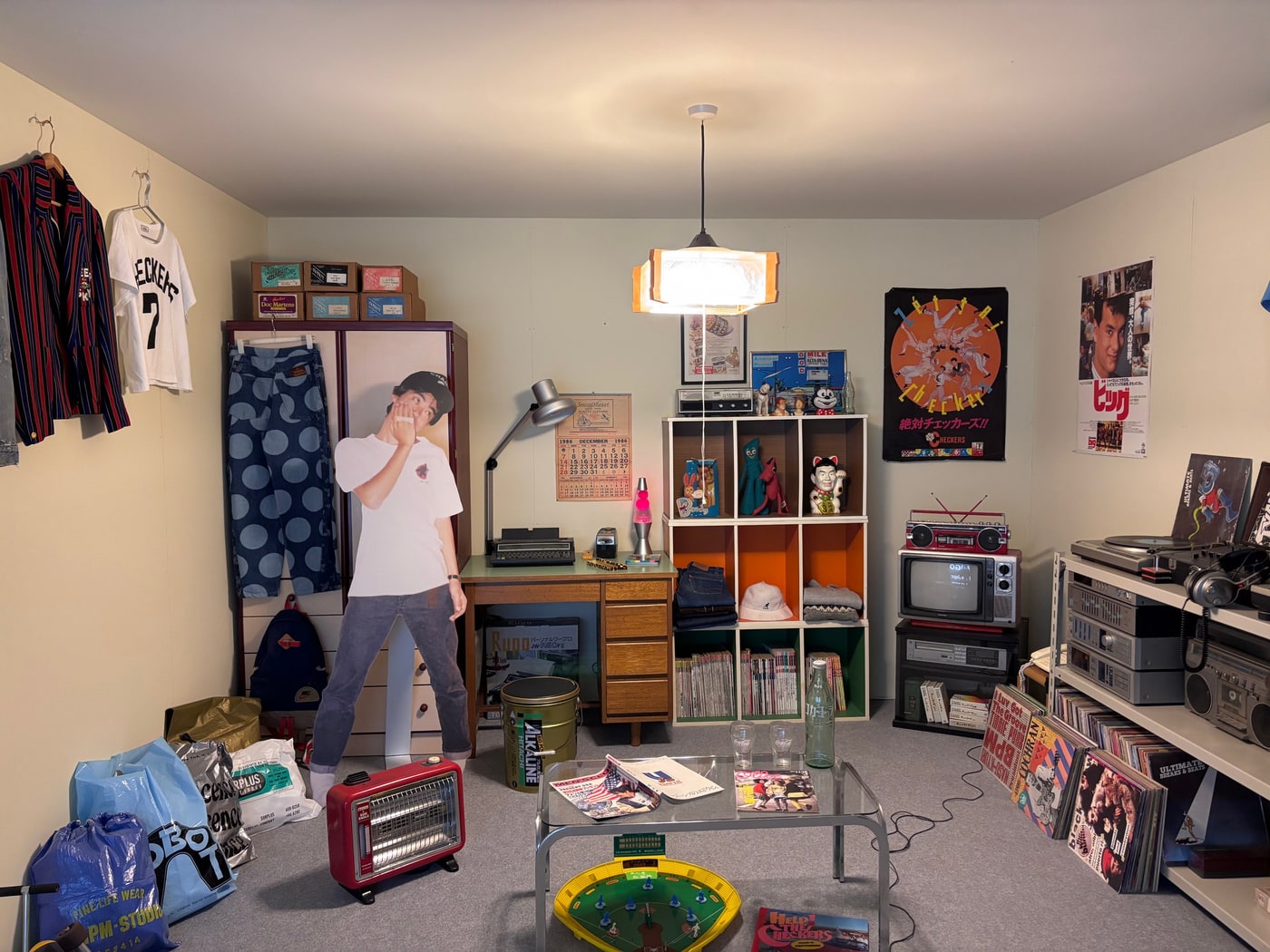
The first room is a bedroom. A teenager's room in 1980s Japan, rebuilt at full scale: vinyl in milk crates, a pair of turntables, a boombox, varsity jackets on the wall, magazines open on the floor. It is the room of Tomoaki Nagao, born in Maebashi in 1970, before he was NIGO. The Design Museum's retrospective, NIGO: From Japan with Love, begins here rather than with a garment, and the choice is the argument of the whole show.
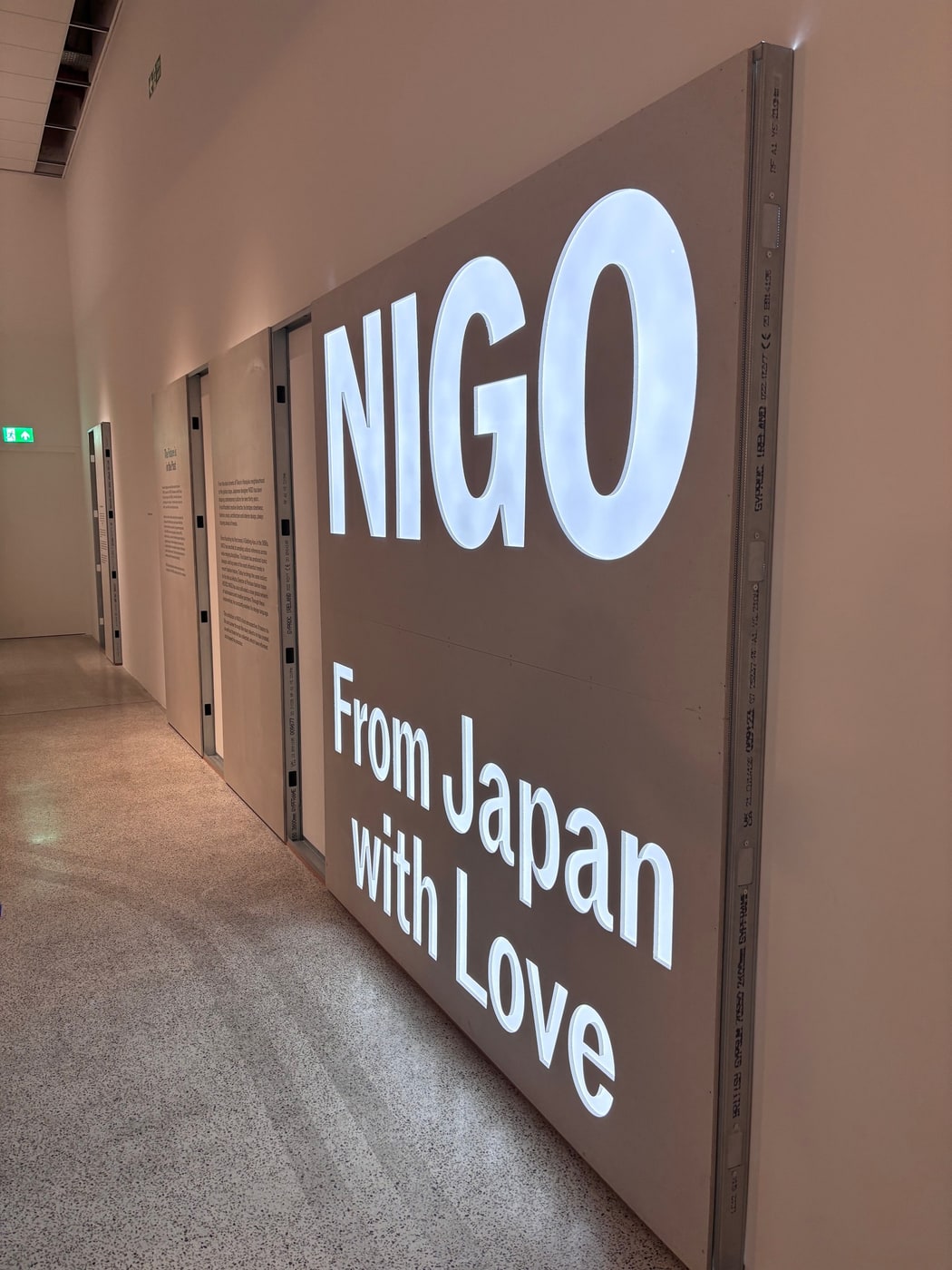
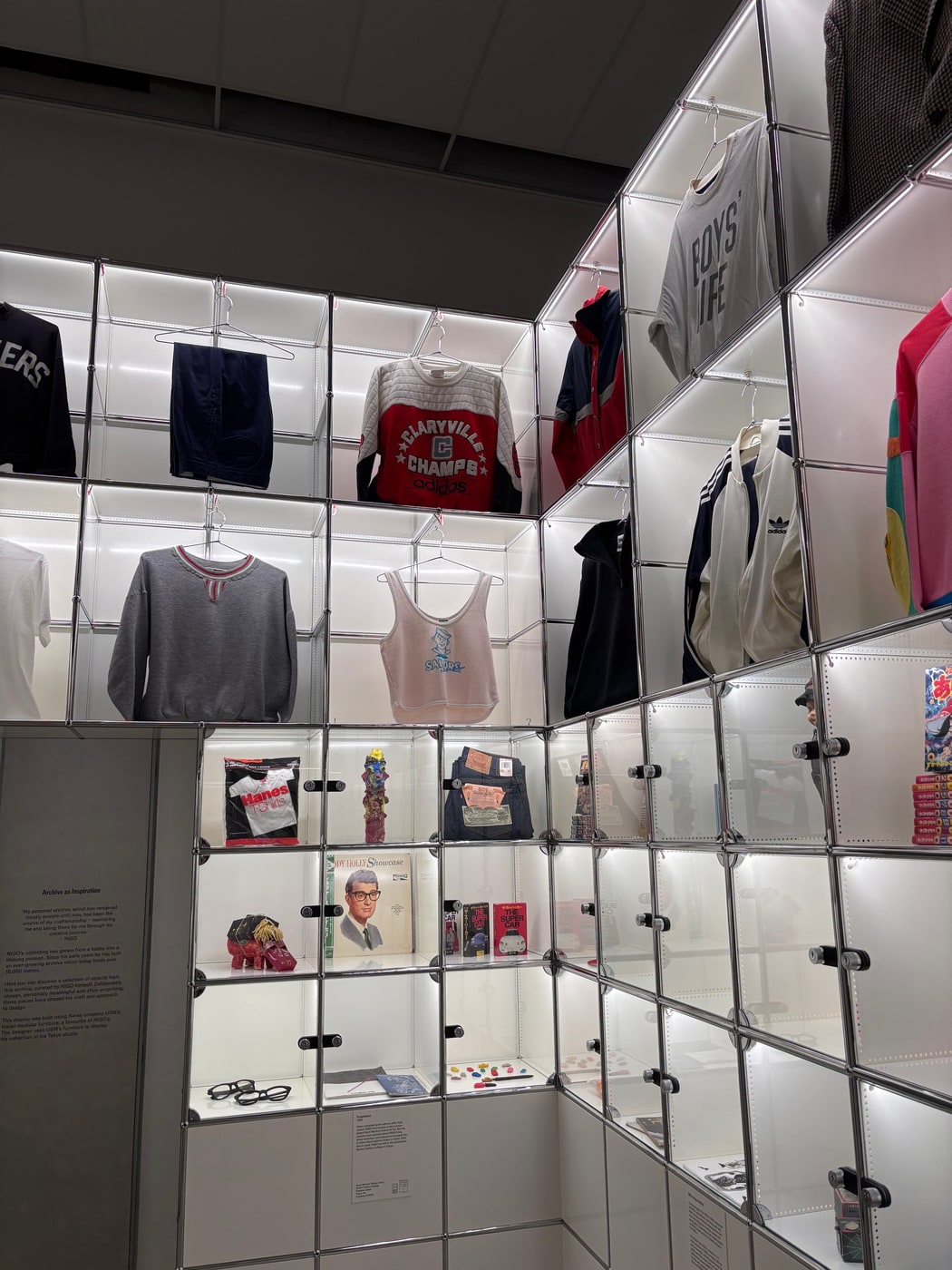
The wall text calls the period ametora, short for "American traditional": the fusion of American dress, music and attitude that seeped into Japanese life after the post-war occupation and became, for young people in the 1980s, a way of refusing inherited values. NIGO collected it before he made anything. Every weekend he took the train from Gunma to Tokyo to dig through vintage shops and fashion magazines, and he kept what he bought. He still has it.
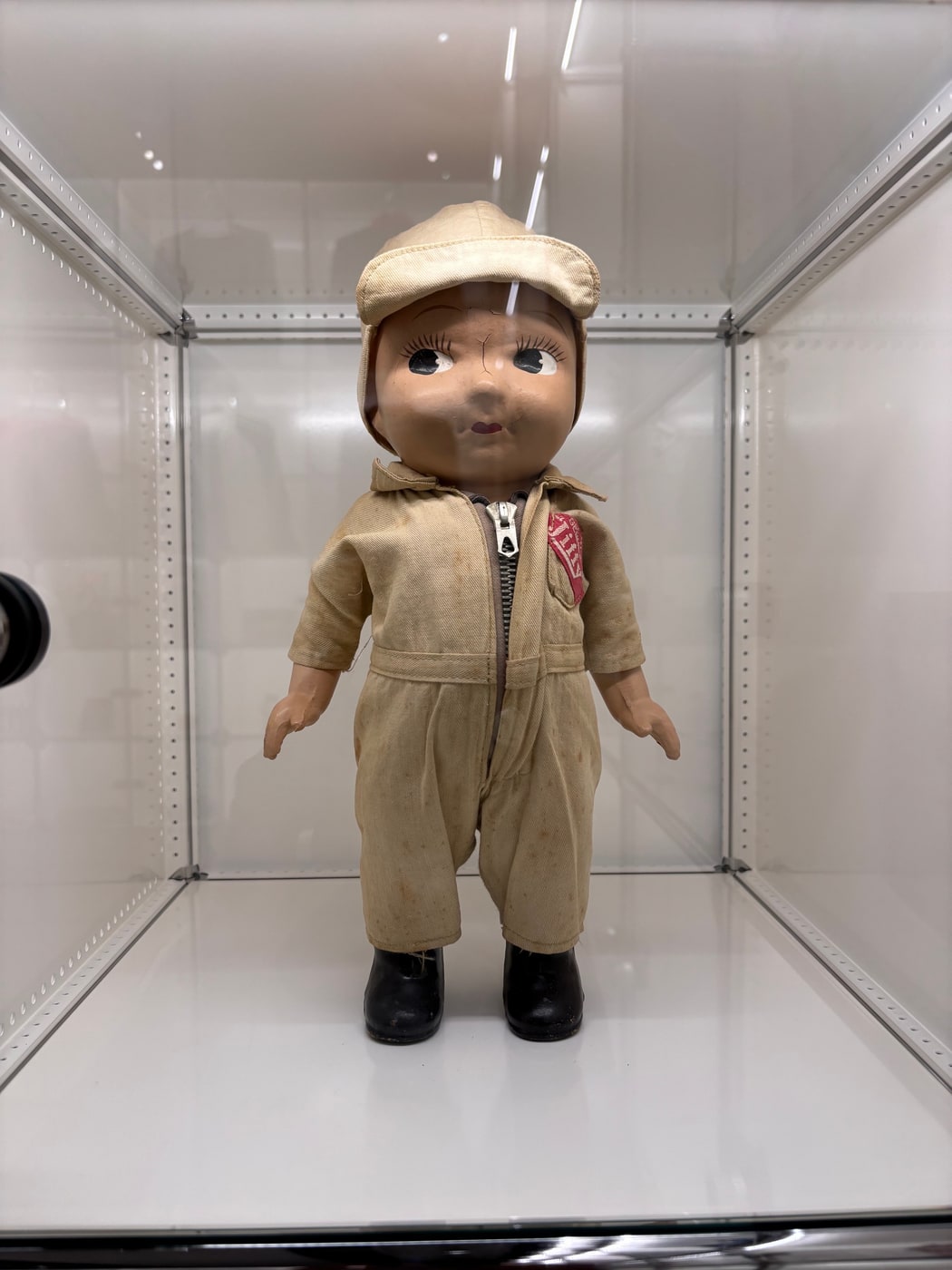
That archive now holds more than 10,000 pieces, and the middle of the exhibition is a wall of it, chosen by NIGO himself and set in the USM Haller shelving he uses in his Tokyo studio: vintage dolls, a toy beat group, a boxed robot toy, work wear, a red rodeo jacket. "My personal archive," he says on the wall, "which has remained mostly private until now, has been the source of my craftsmanship, mentoring me and being there for me through my creative journey." It is an unusual thing for a designer to admit. The archive is not reference material. It is the teacher.
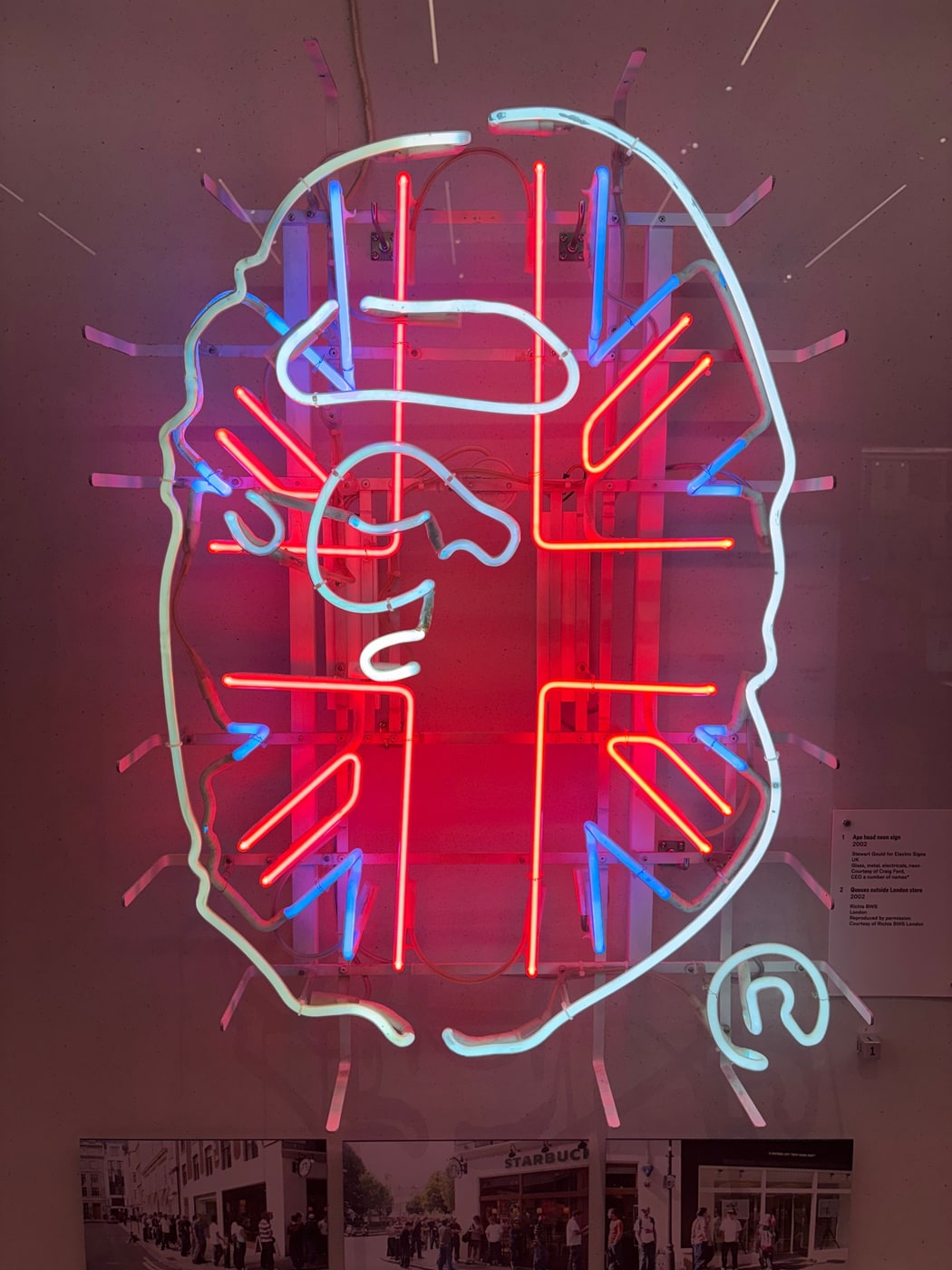
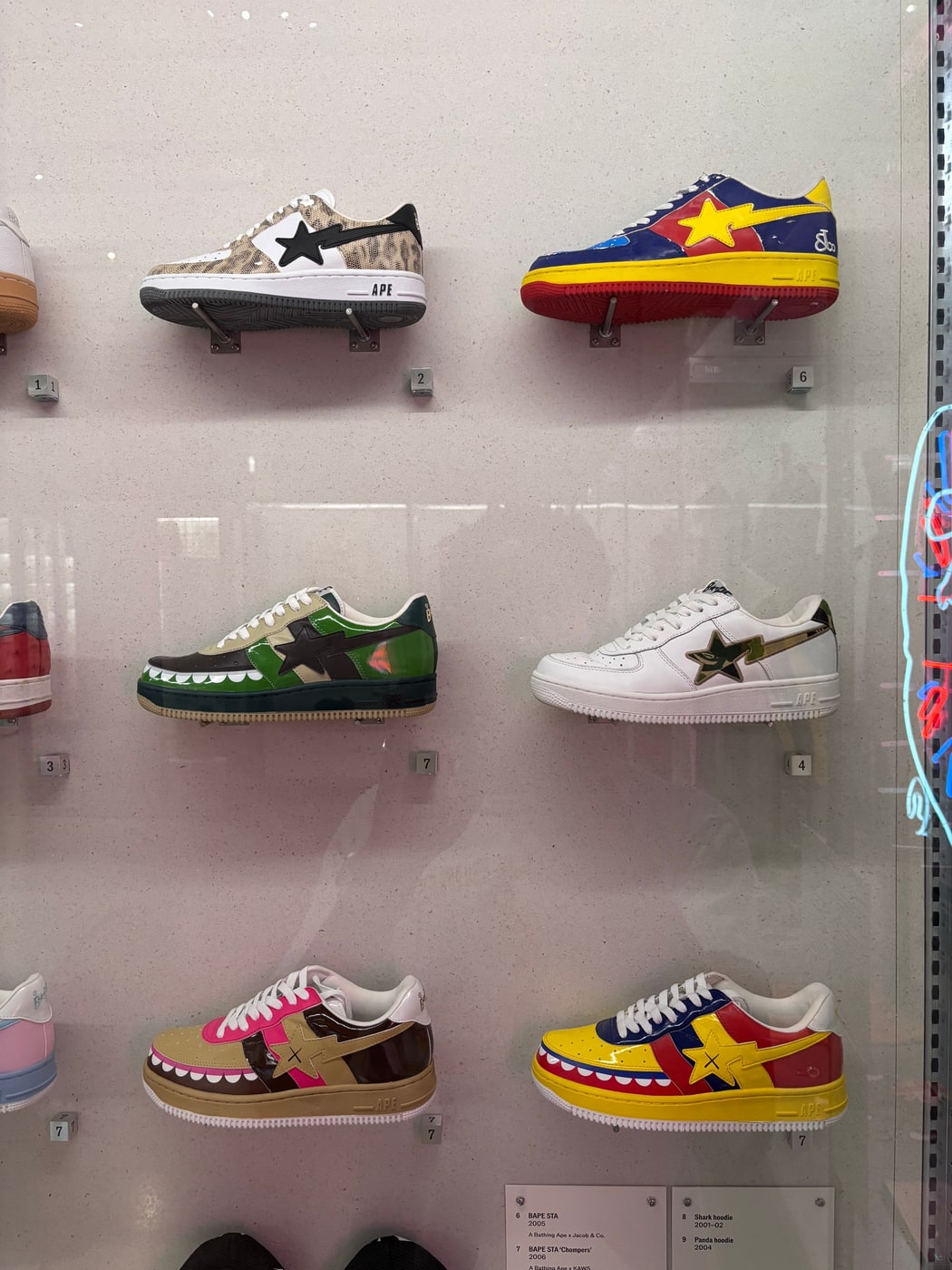
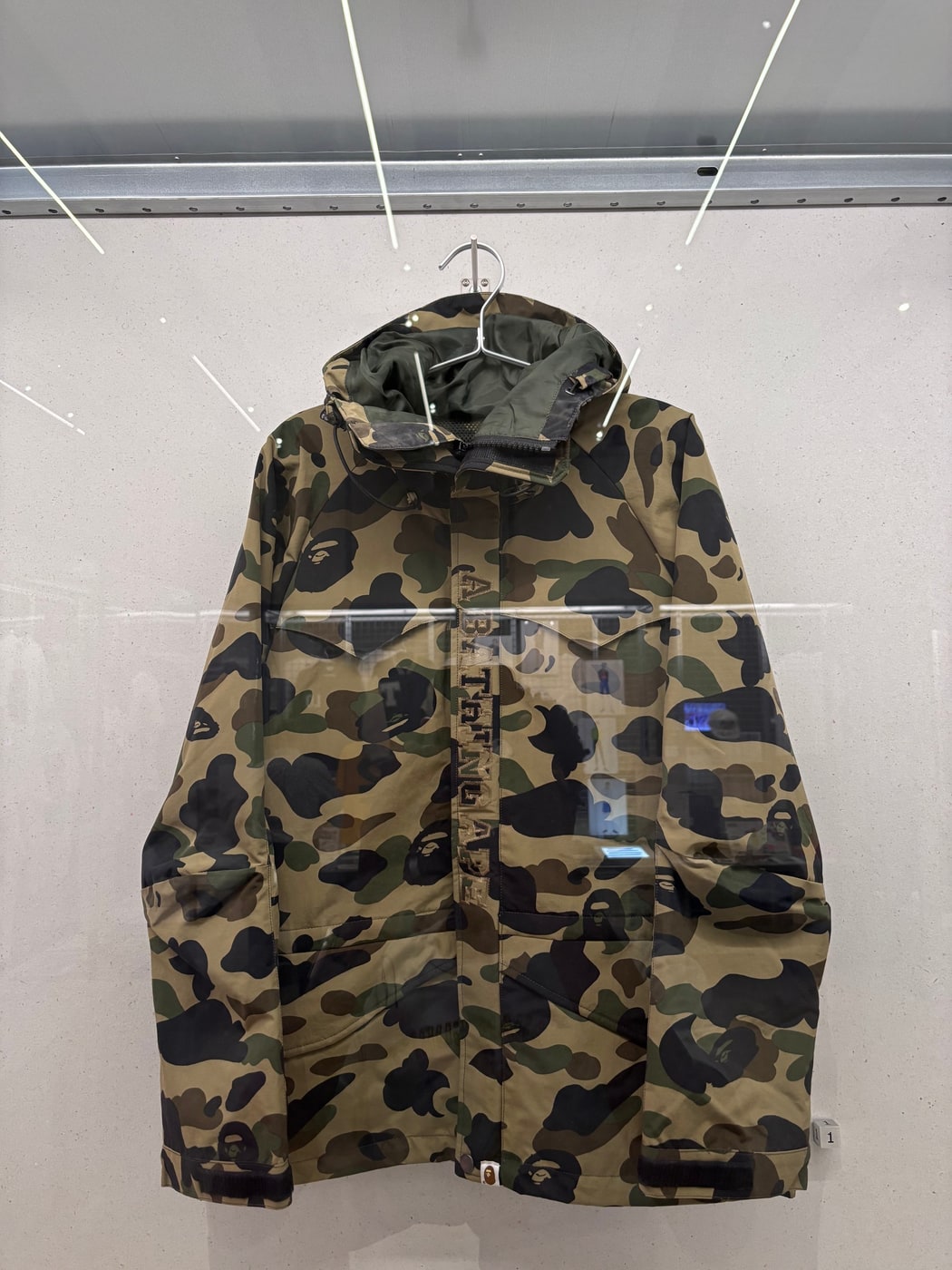
Everything that follows reads differently once you have seen it. A Bathing Ape, founded in 1993, the same year he opened the shop NOWHERE in Harajuku, is the archive played back: the 1st Camo of 1996 redraws the US Marine "Duck Hunter" pattern with a distorted ape head; the BAPE STA reworks a classic basketball shoe. Then come the limited runs, the queues and the hype, a cult built by deliberately making too little. NIGO did not invent scarcity, but he understood before almost anyone that people want what they cannot easily have, and that wanting can be designed.
The lesson is not the hype. It is the bedroom. What made NIGO was not a feed but a collection: things chosen slowly, kept for decades and returned to until they gave up something new. The show closed at the Design Museum on 4 October 2026. The question it leaves is a simple one: what have you kept long enough to learn from?
Responses.
Received. Thank you.