Ornamentation of the flesh is among the oldest ways craft transmits aesthetic feeling: felt in the body before it is named, and called, after the fact, value.
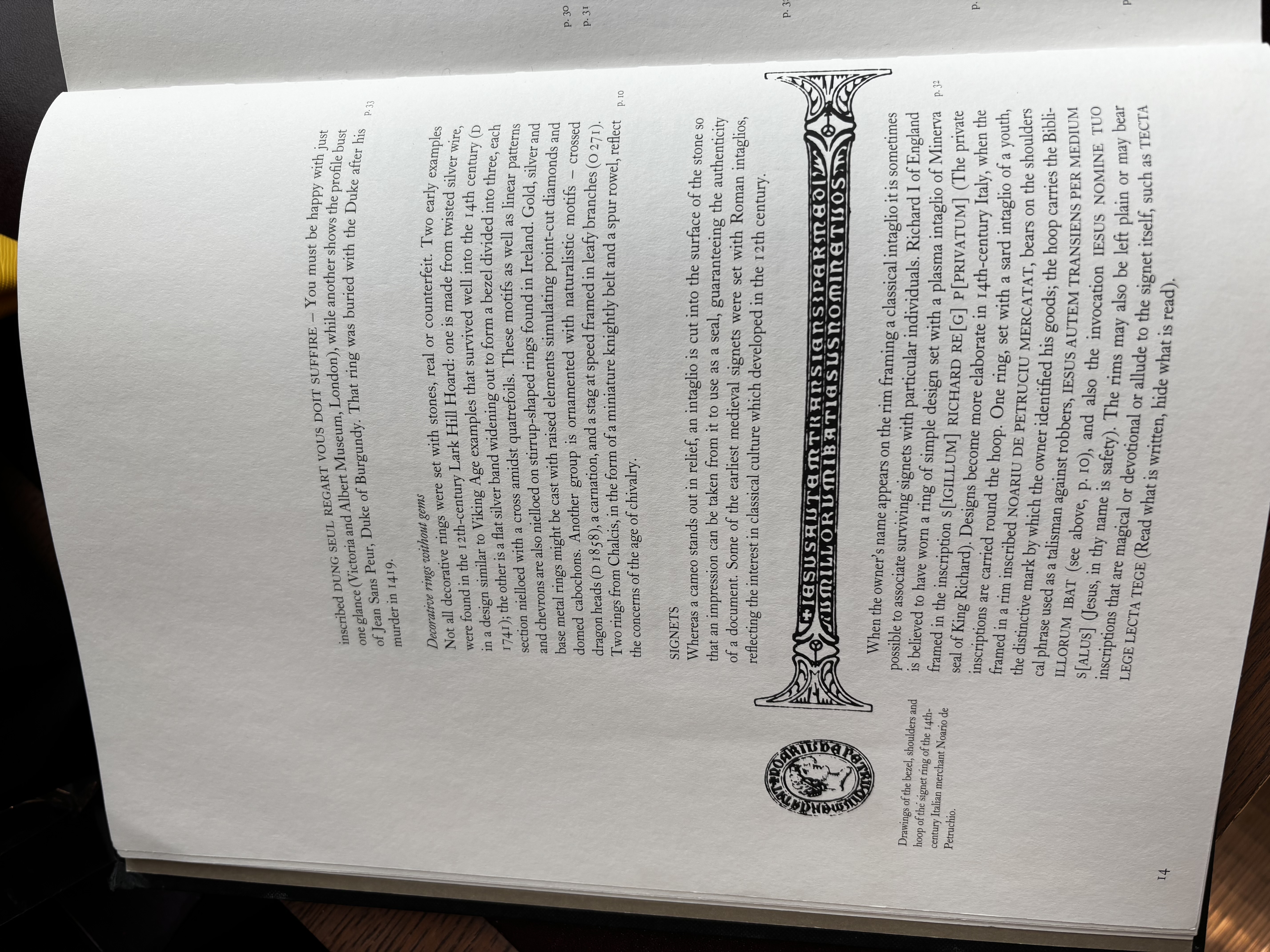
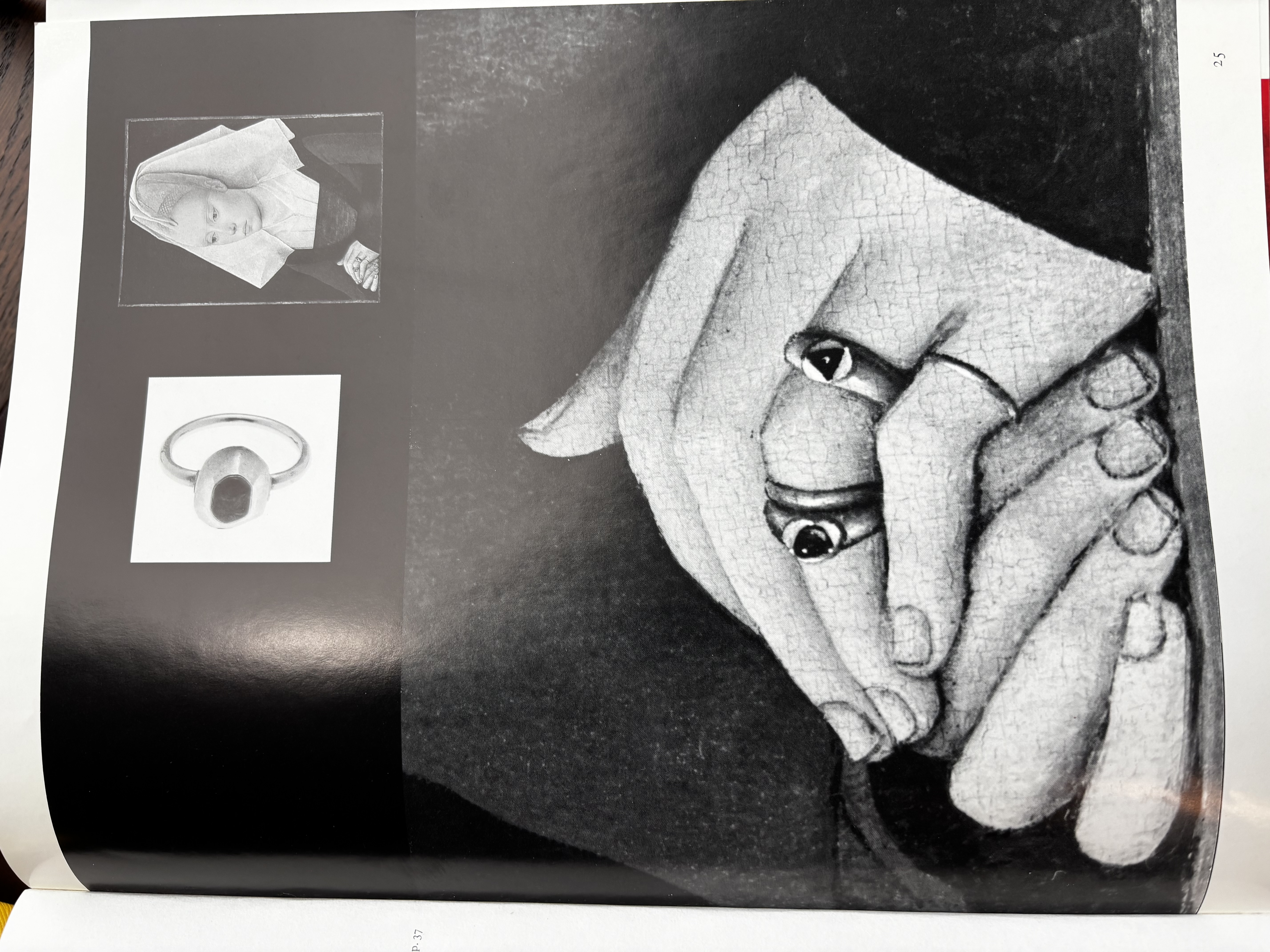
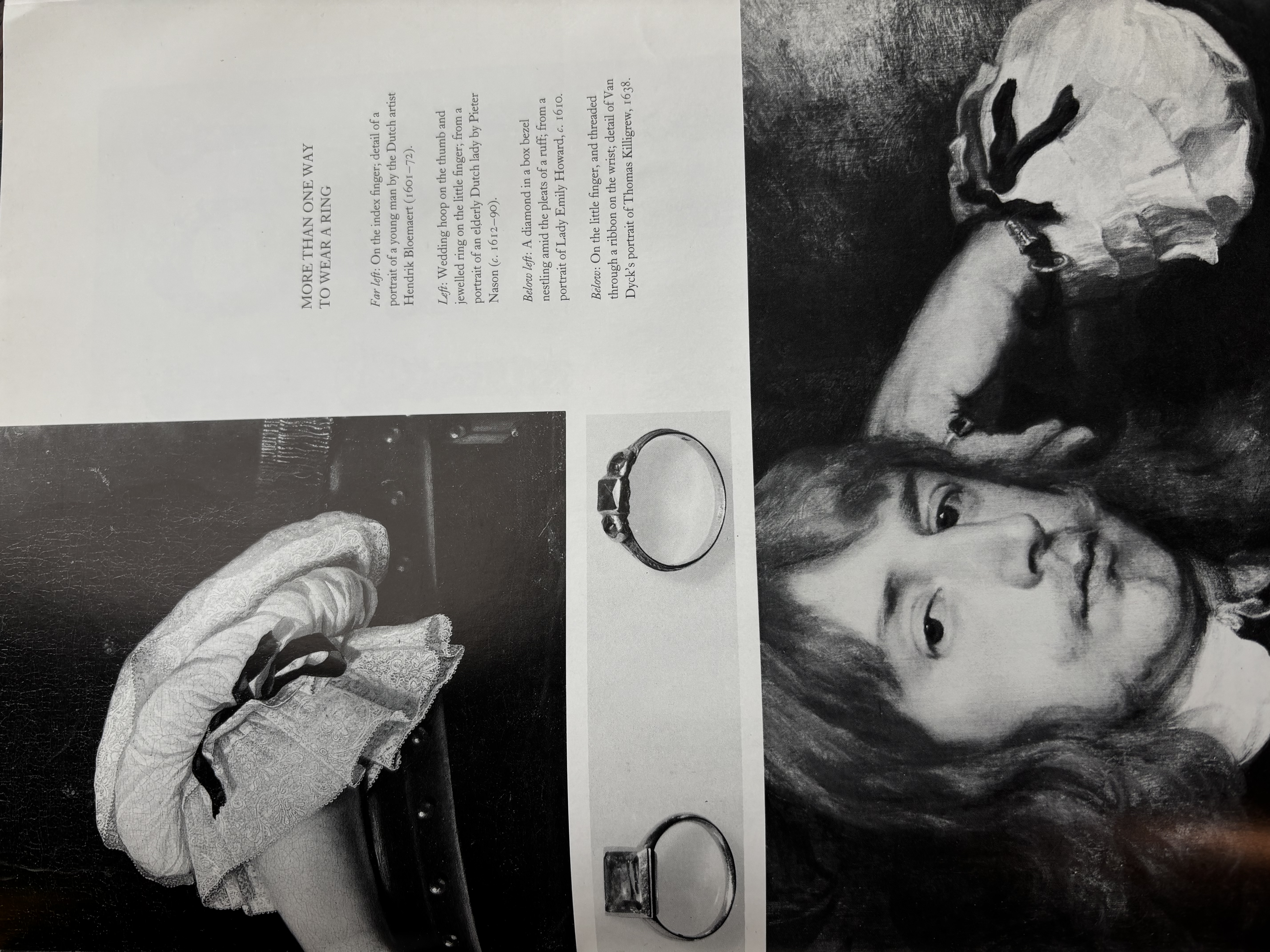
A ring is not jewellery. A ring is a story compressed into a circle of metal worn against the skin. Diana Scarisbrick has spent six decades arguing this in print, and the book in front of me, Rings: Symbols of Wealth, Power and Affection, is the most patient version of that argument. It runs four thousand years deep. Across every era she examines, the ring is doing the same work: it holds what cannot be said out loud. A name. A date. A hand clasped in another hand. A scene engraved at the size of a thumbnail. A black stone cut with a private intaglio, recognisable only to the person it was made for. The ring is not adornment. The ring is encoded language carried on the body.
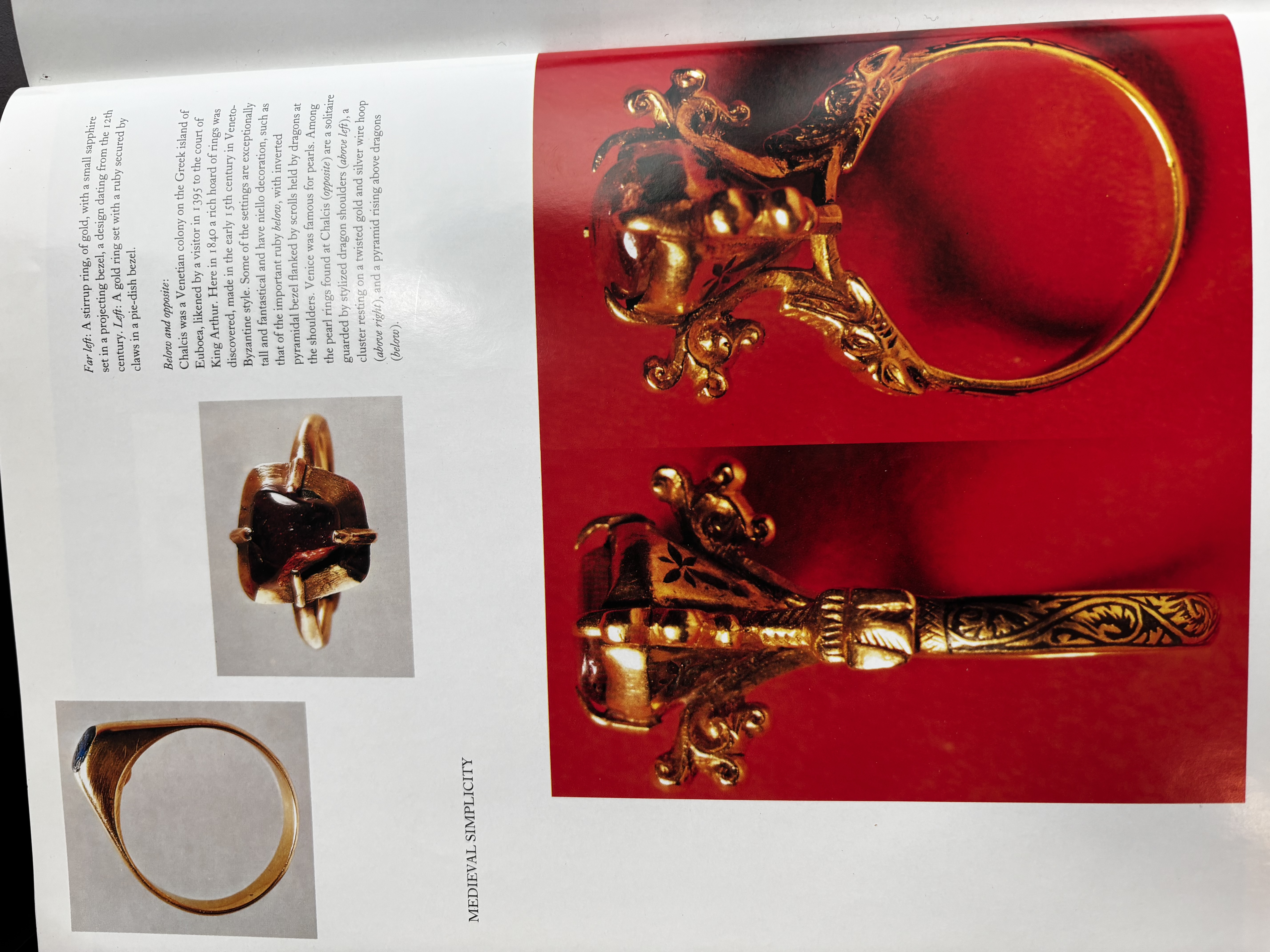
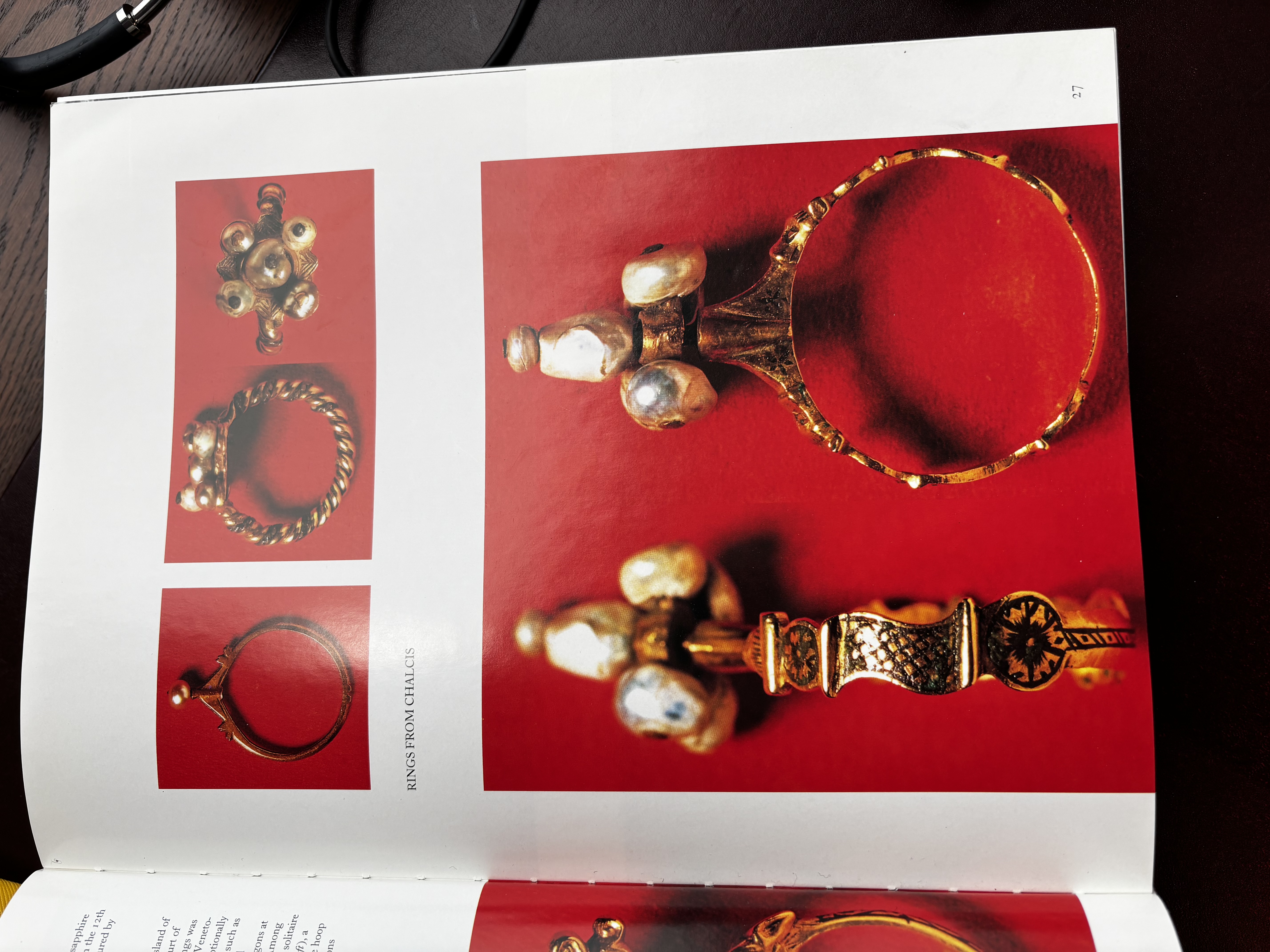
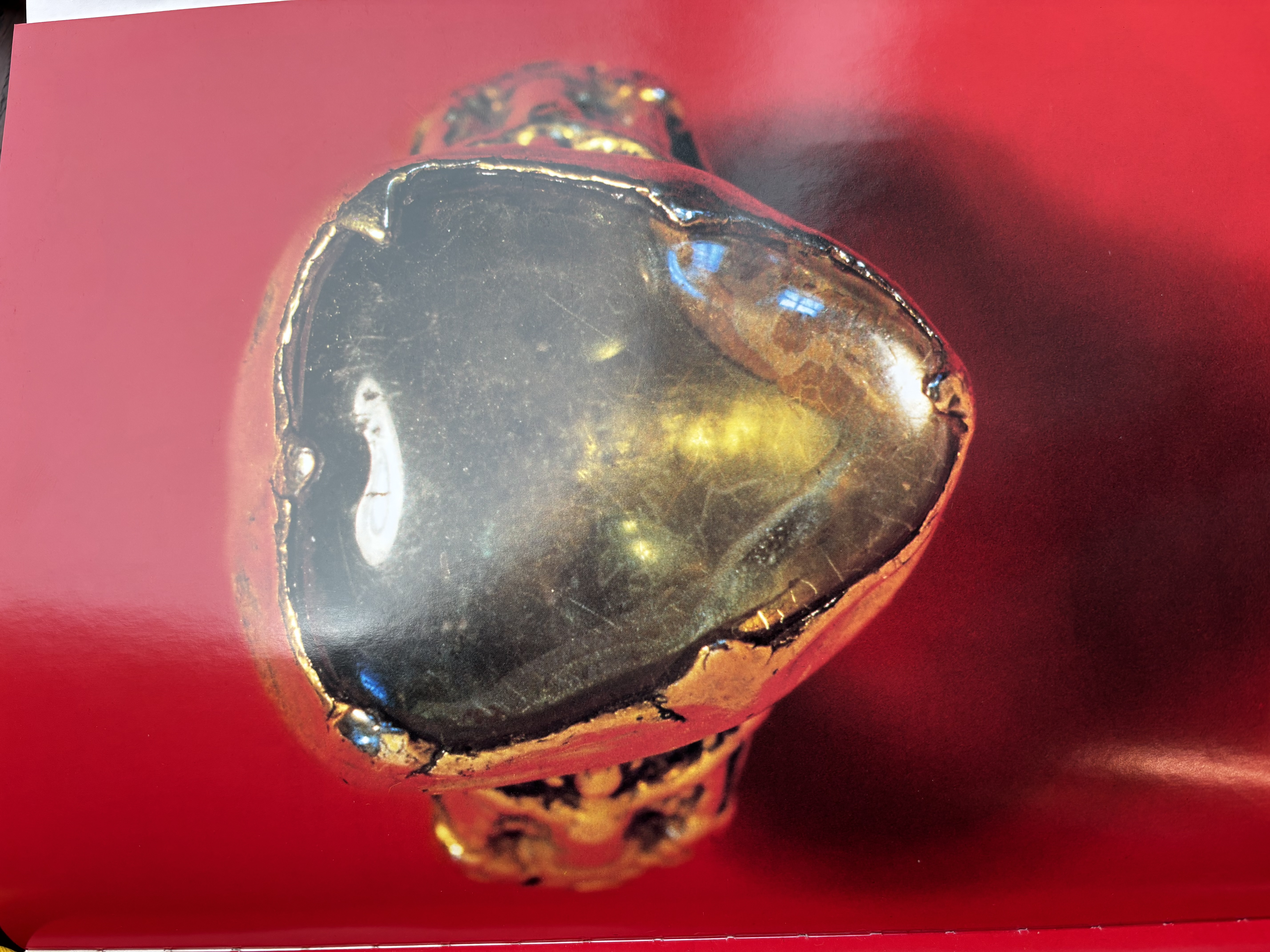
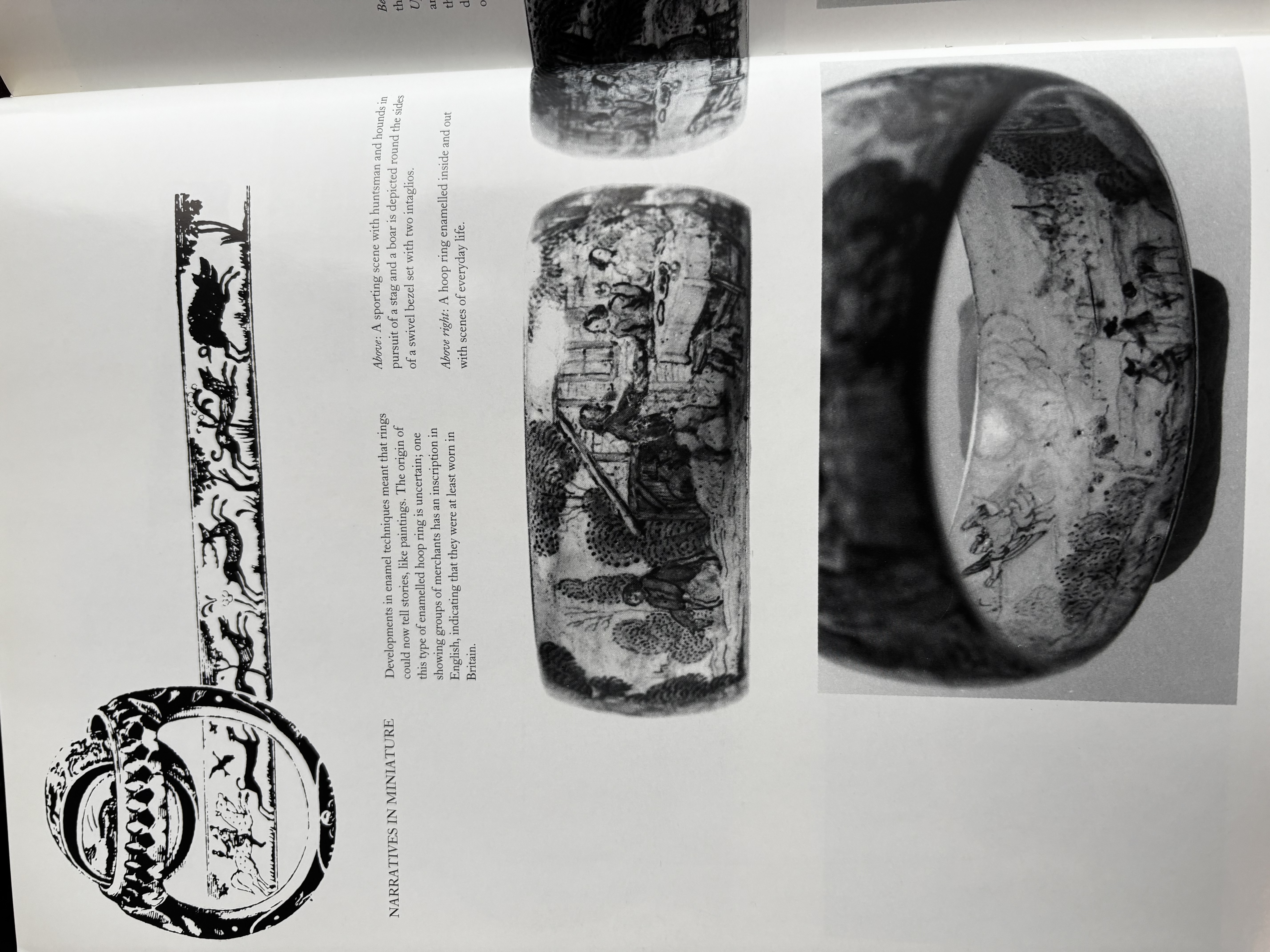
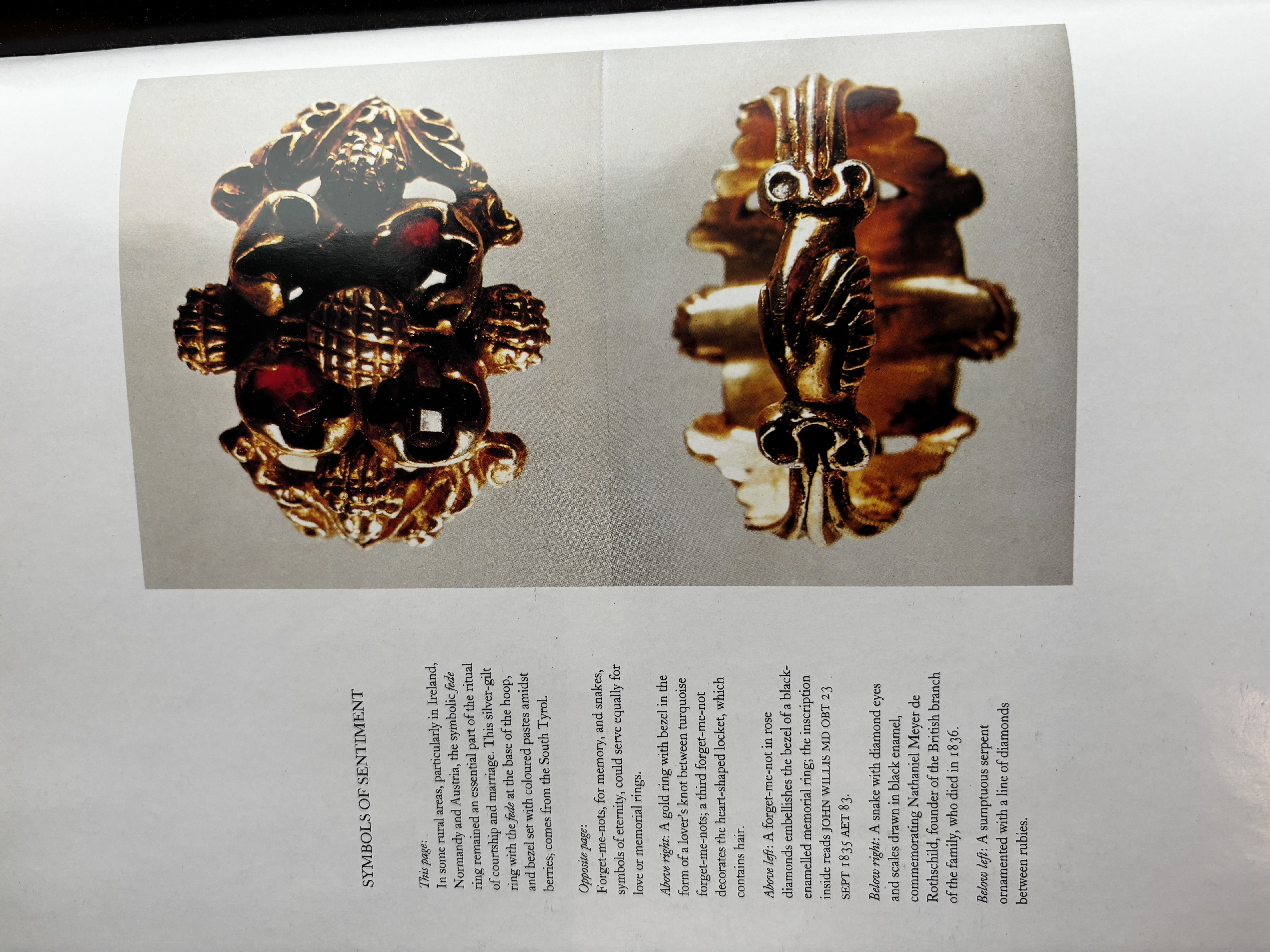
The chapter that holds this argument most tightly is Narratives in Miniature. It catalogues bands engraved with hunting scenes, processions, biblical episodes, tiny landscapes scrolling around a circumference of barely two centimetres. The craftsmanship is astonishing. That is not why it matters. It matters because someone, four hundred years ago, decided that the right place to put a story was not on a wall, not on a page, but on a finger. Worn. Continuously. Against the body. Read by no one but the wearer, every time they looked down.
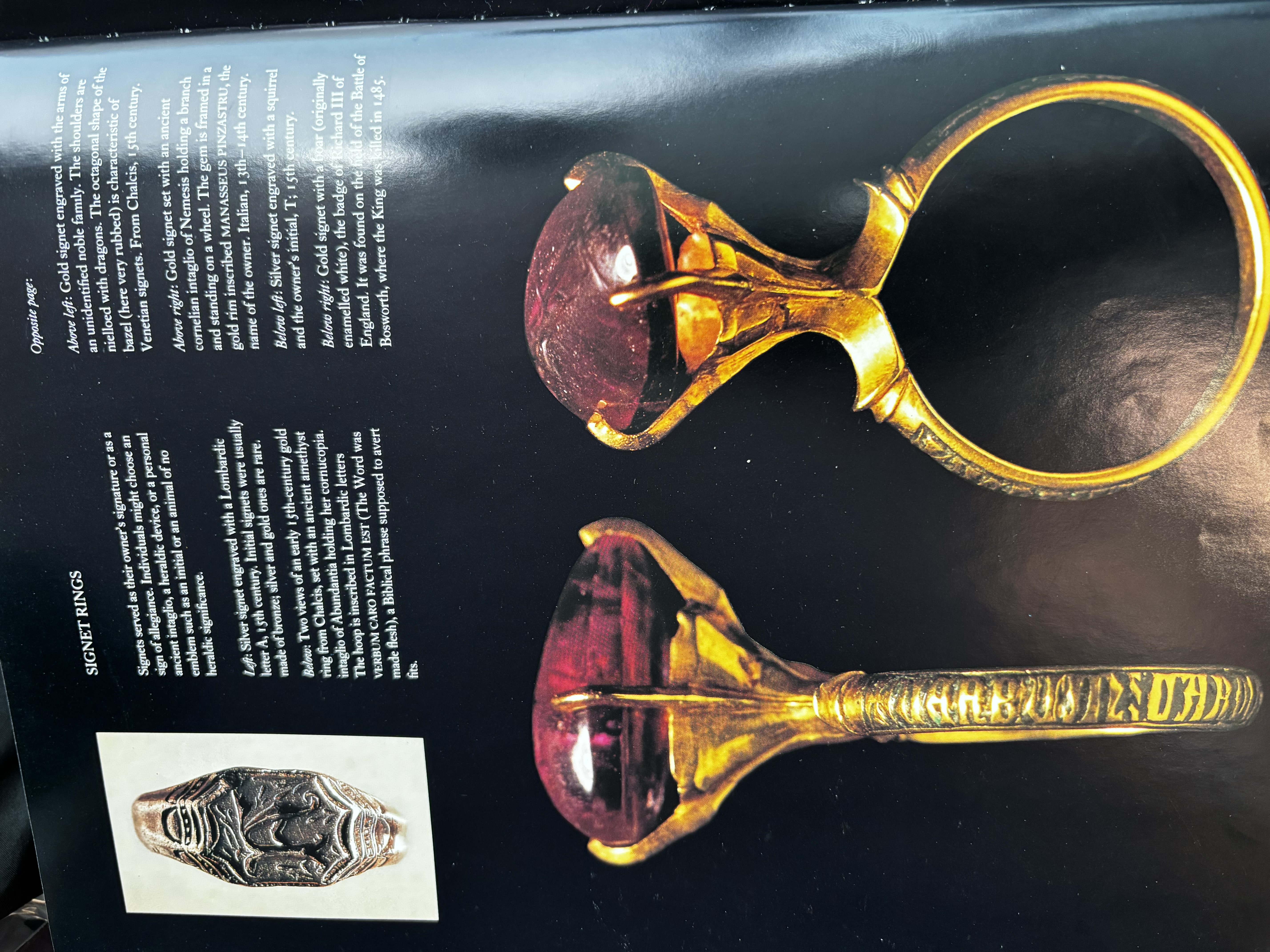
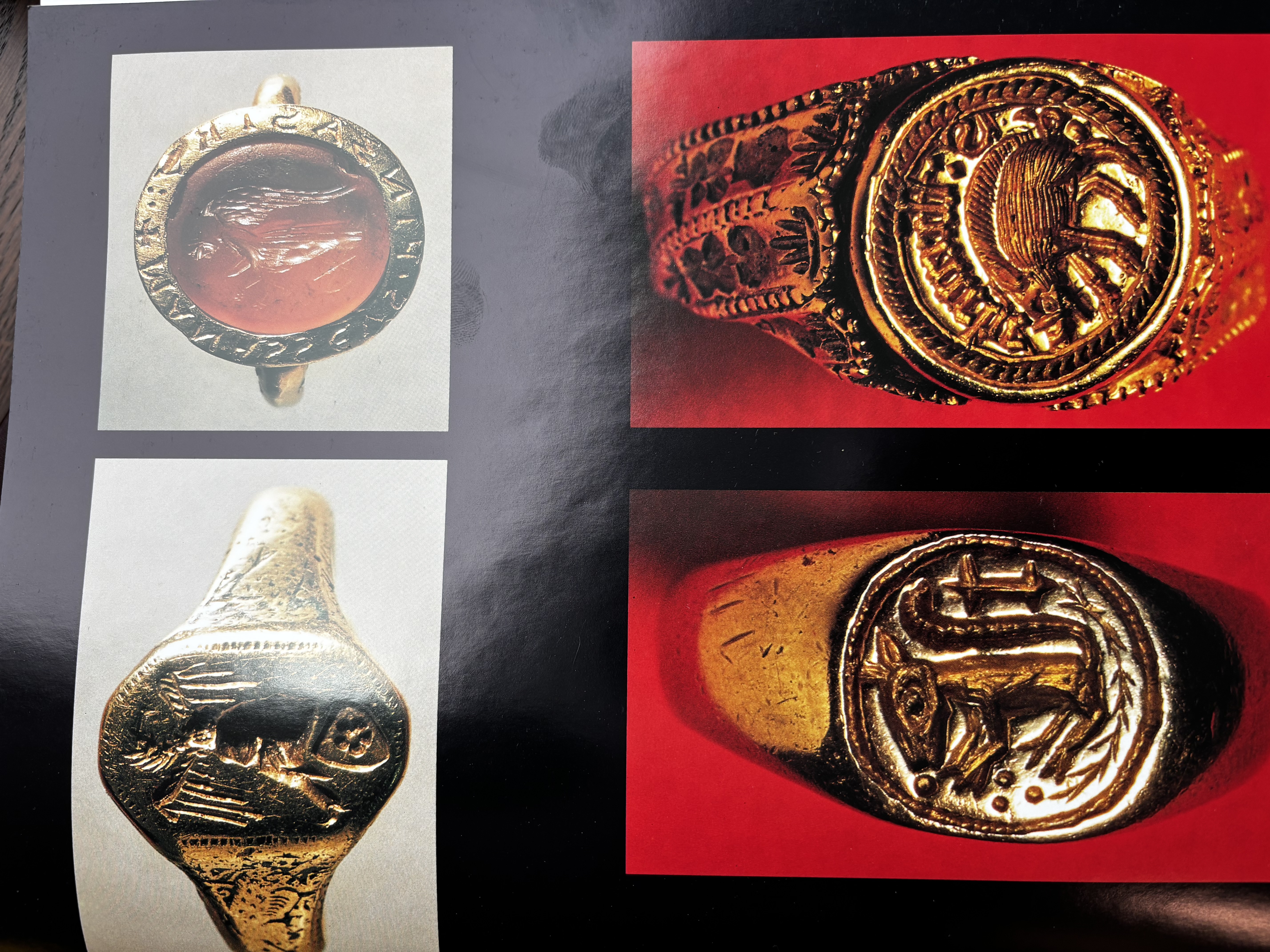
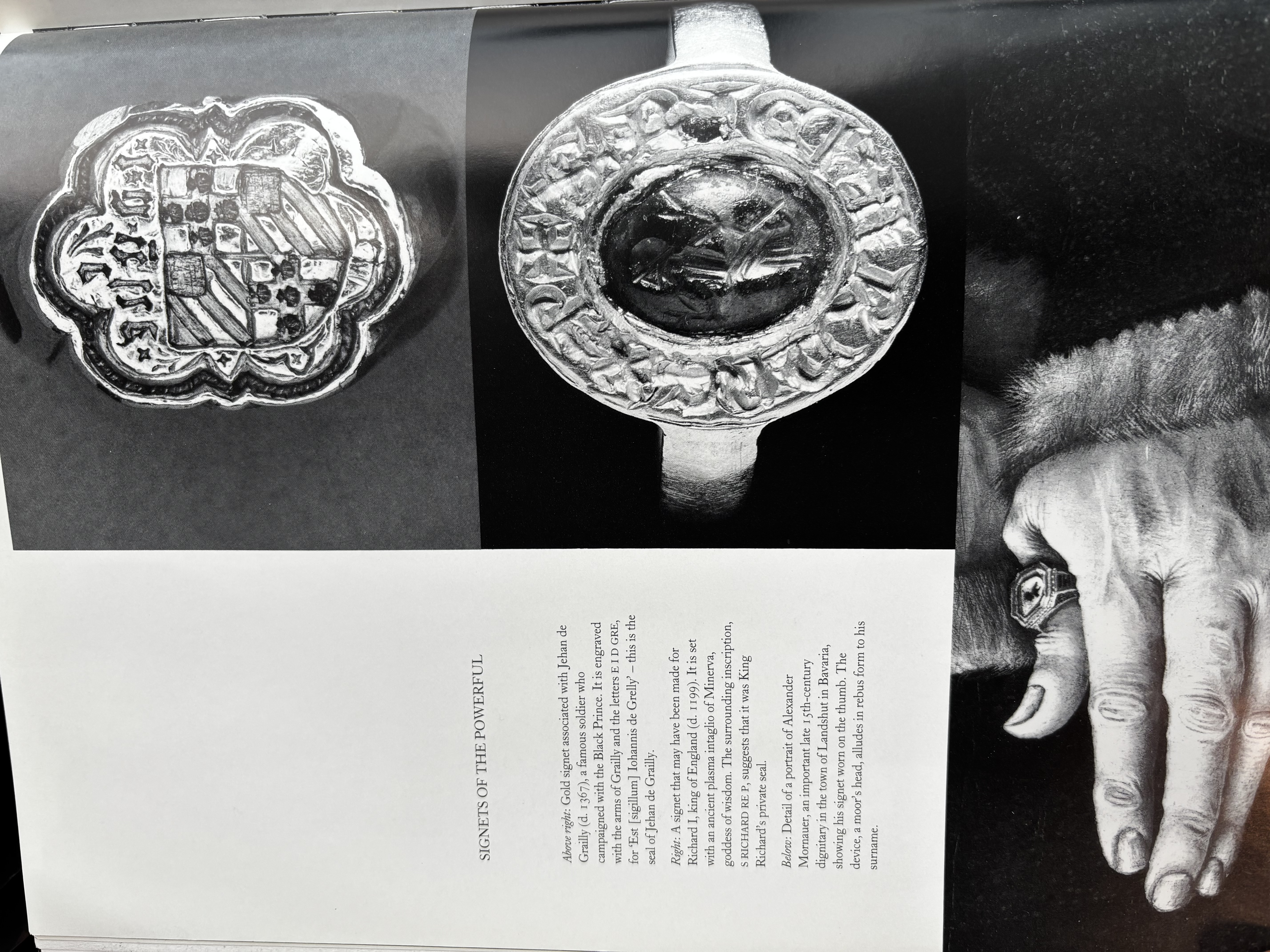
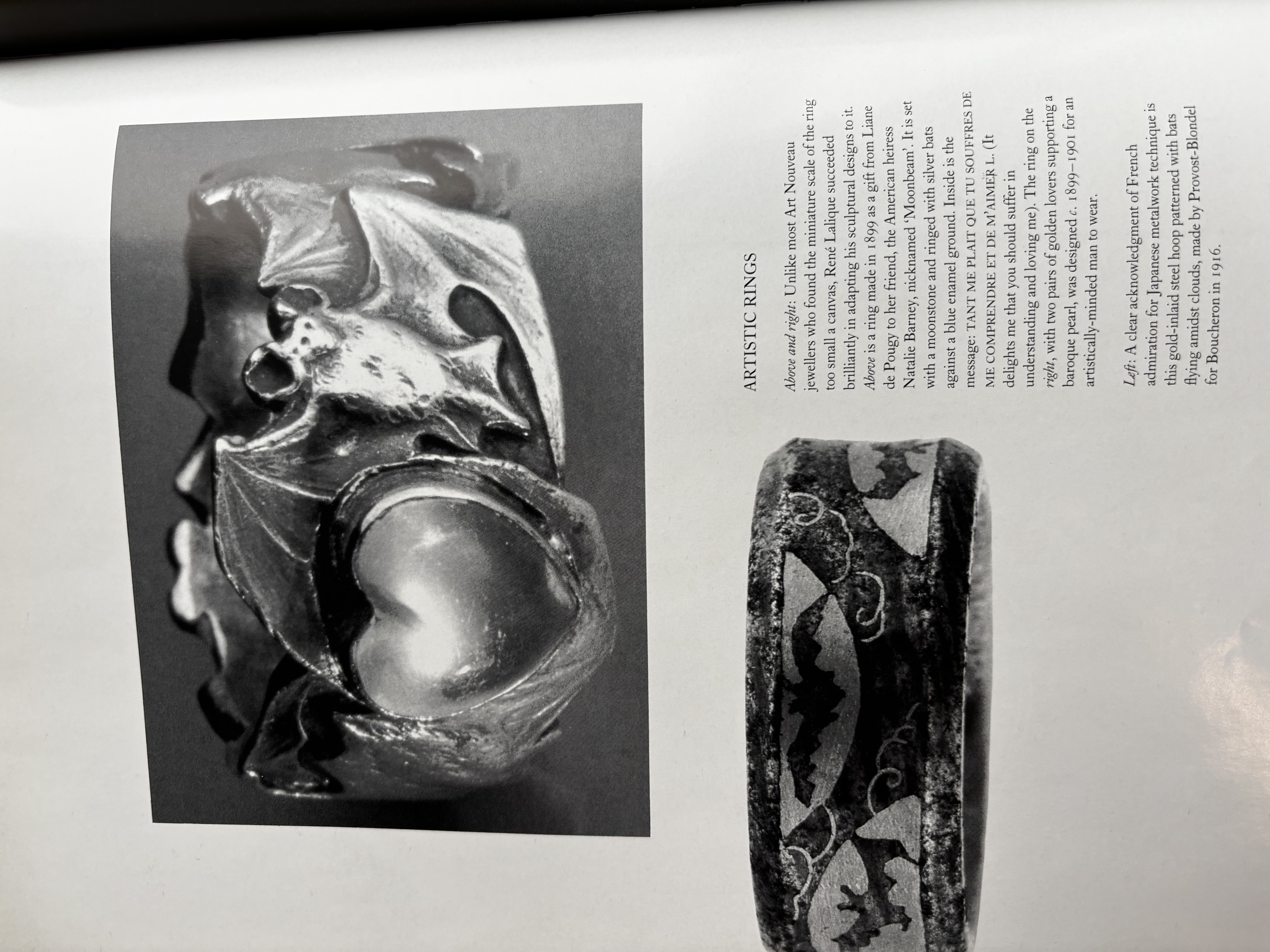
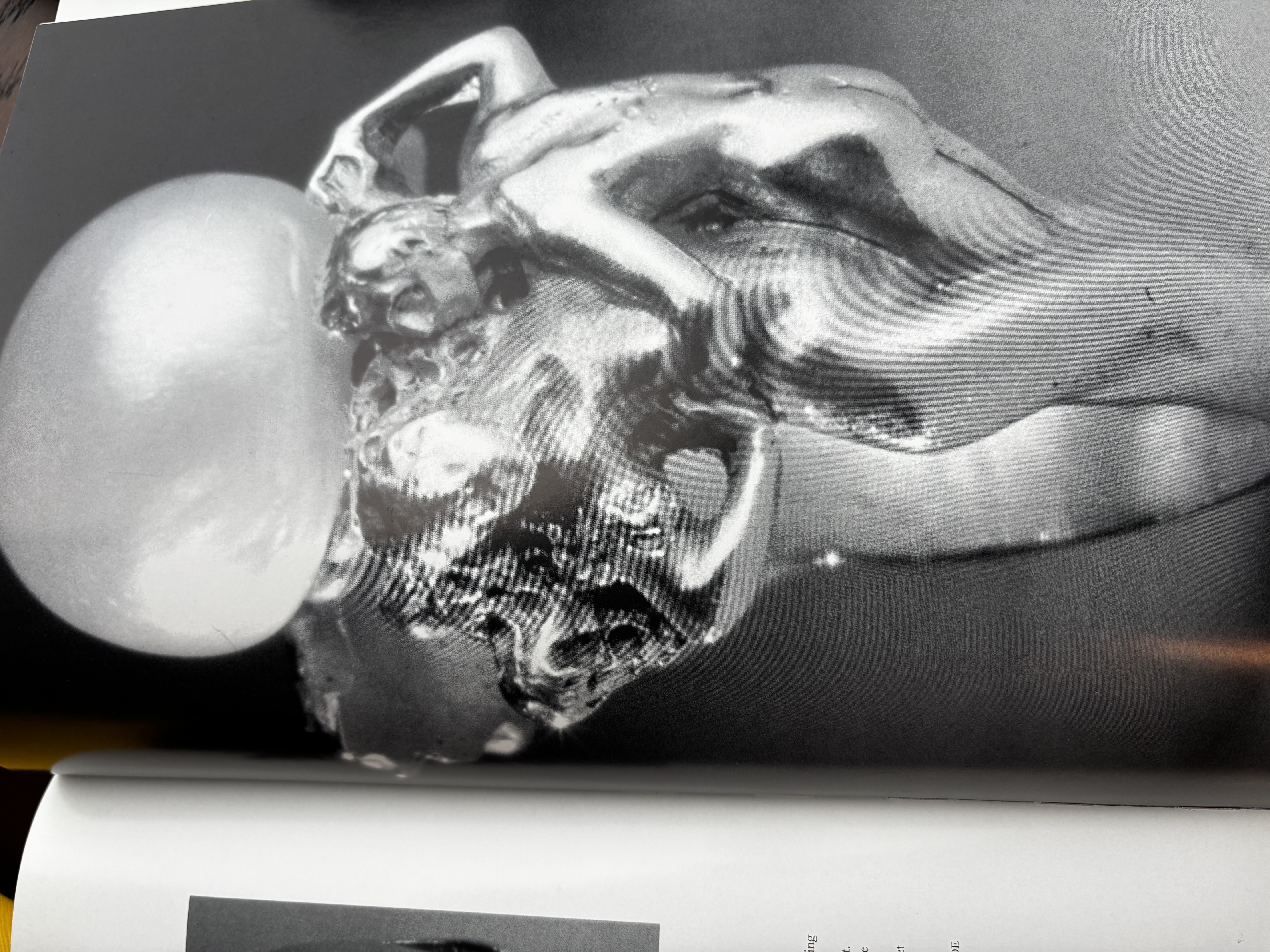
This is the part of Scarisbrick's lifework that I will not let go of. The ring is the original anti-platform object. It is small, durable, body-mounted, and addressed to a single reader. It does not perform. It does not optimise for legibility. It does not broadcast. The signet conceals identity inside a seal that only the recipient of the wax can authenticate. The posy ring carries its inscription on the inside of the band, against the skin, where the wearer alone can feel it. The mourning ring hides a lock of the dead inside a hinged bezel. The Art Nouveau ring at the end of the book hides a sculpture in something the size of a thumbnail. Every ring of value in this book hides something. Every ring is a refusal of legibility.
The platform is the opposite. The platform is a surface that demands legibility, runs on it, and converts every interior to broadcastable text. A feed has no inside. A timeline has no skin. The image of yourself you put online is large, ephemeral, screen-mounted, addressed to a million strangers, optimised by a machine that has read it before any human has. The ring is small. The ring is durable. The ring is on the body. The ring is addressed to one. There is no ranking algorithm that has ever read a ring, and there is no ranking algorithm that ever will.
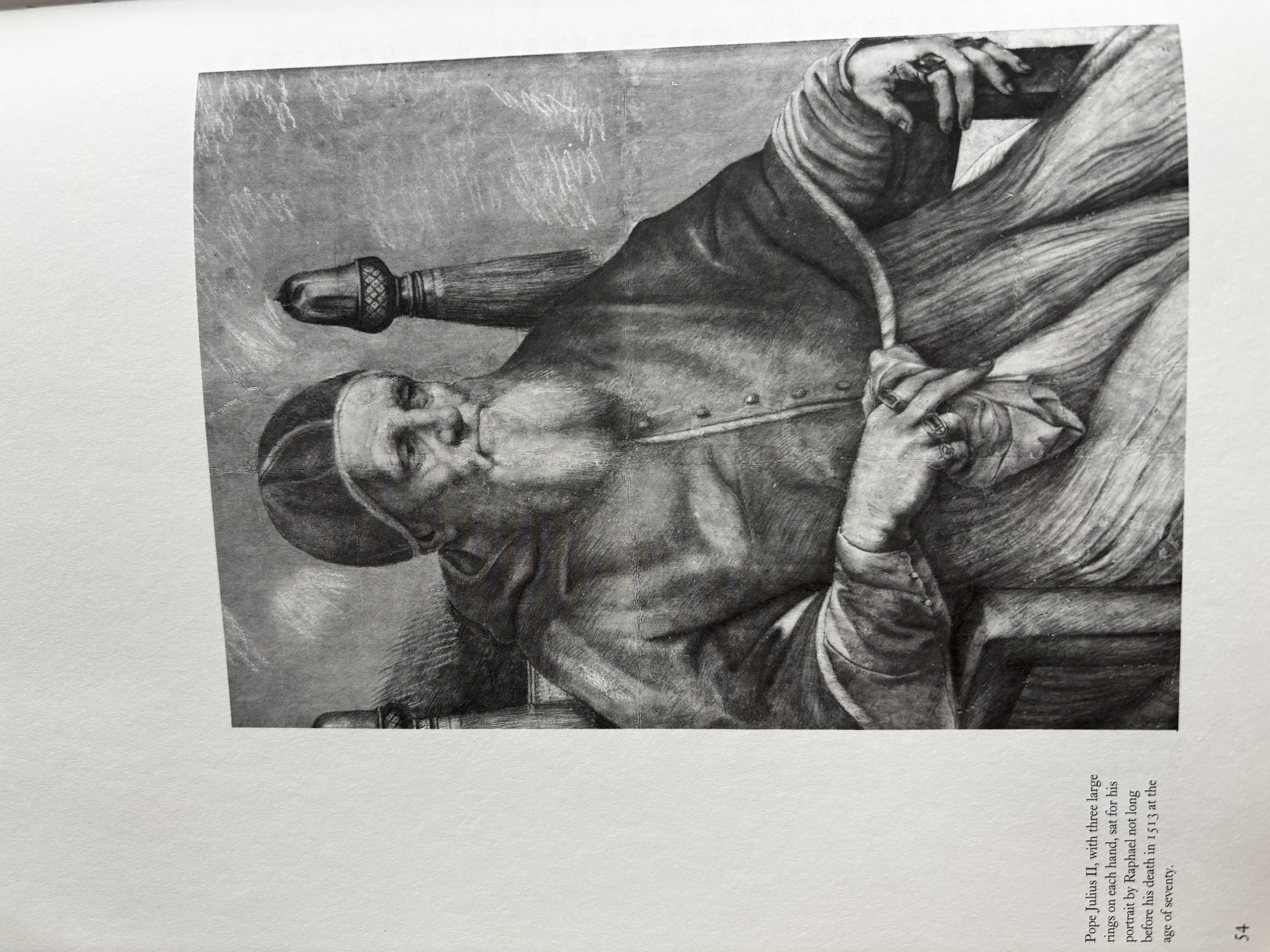
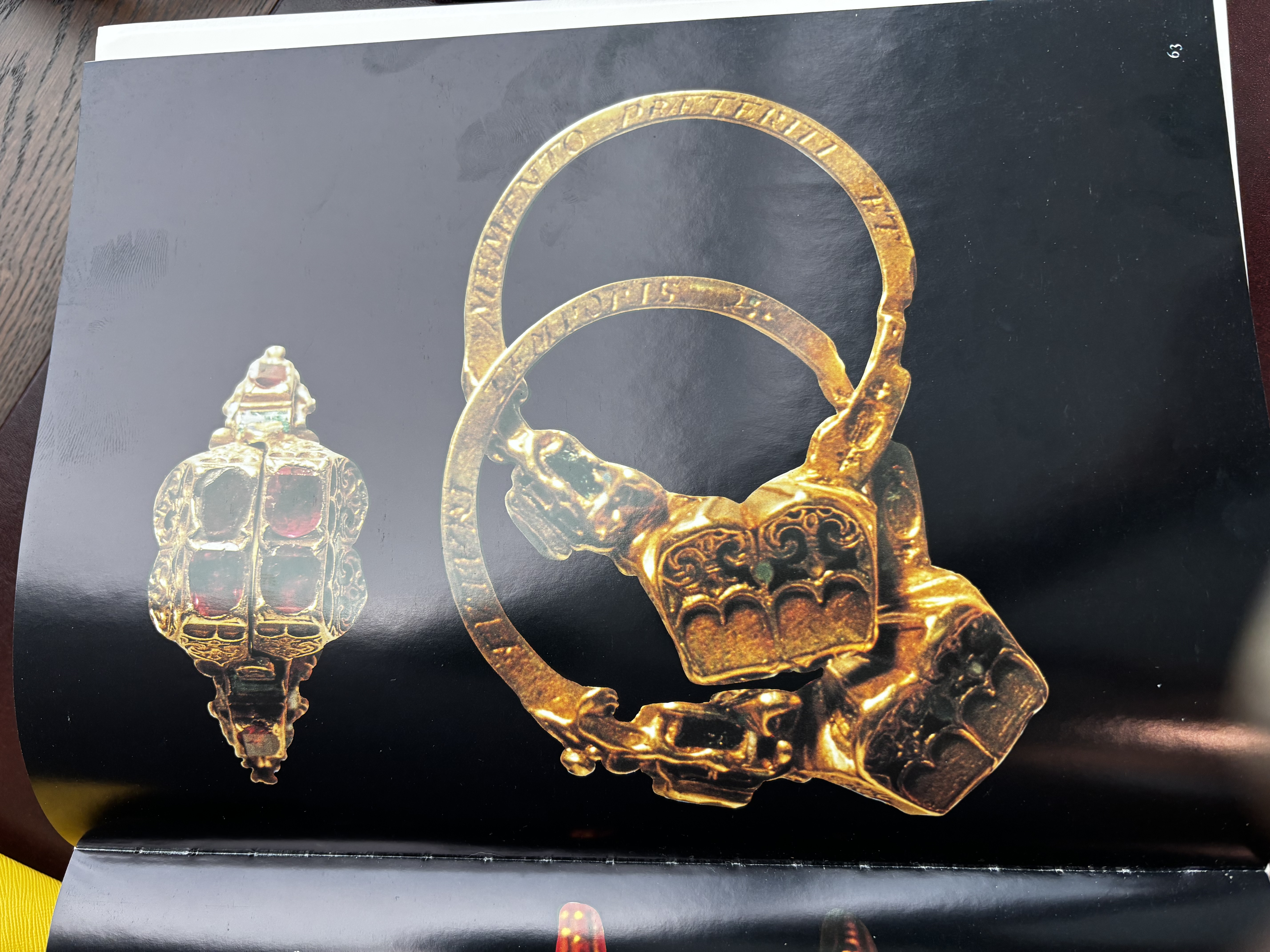
So the question this book asks, without quite asking it, is whether we have anything left that does the work the ring does. An object that compresses meaning rather than spreading it. An object that is read by one rather than by everyone. An object whose value, to borrow from the opening line, resonates physiologically: at the level of the body, the hand, the cool metal against the warmth of the skin, before any market or algorithm has been allowed to score it.
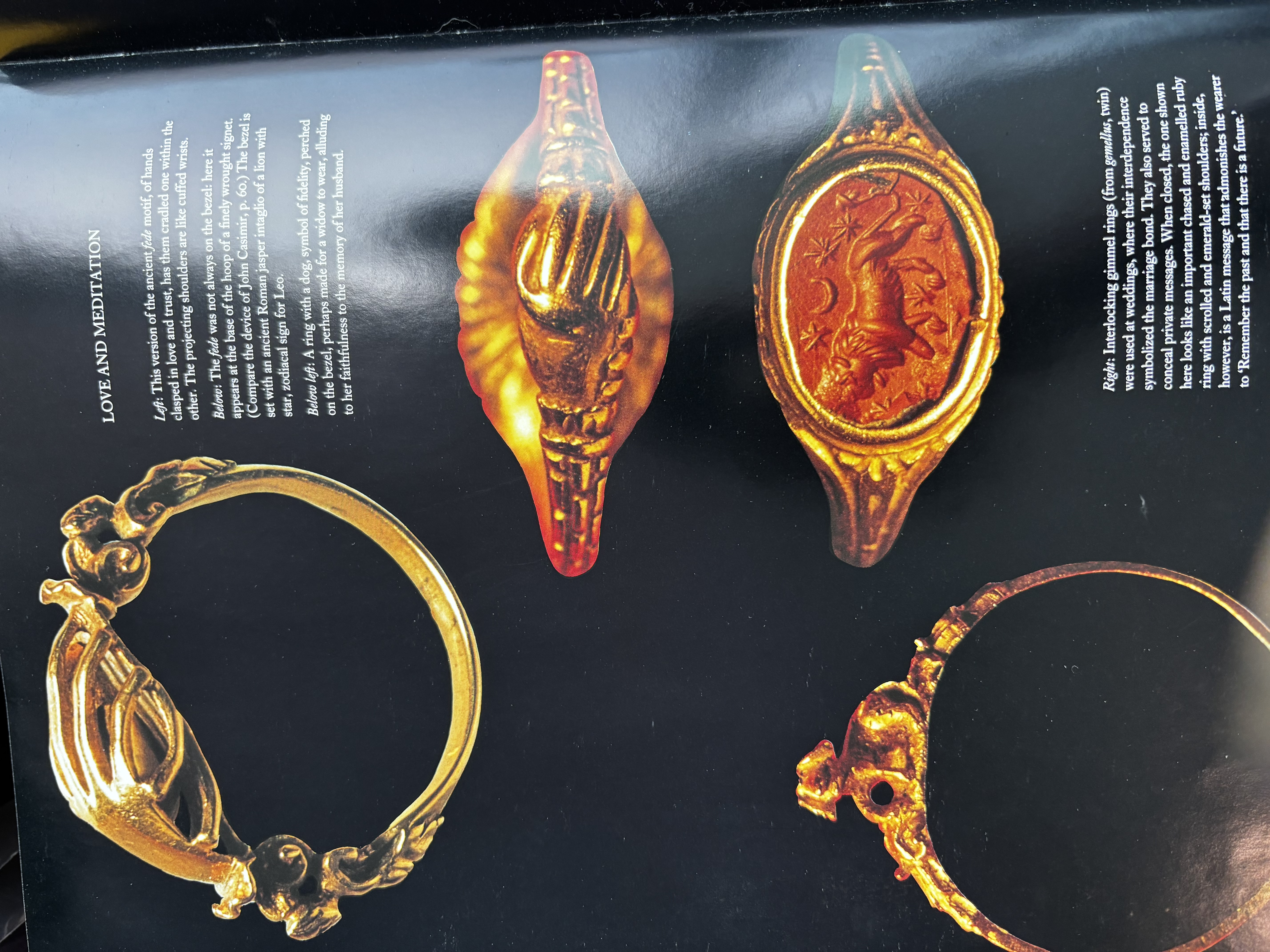
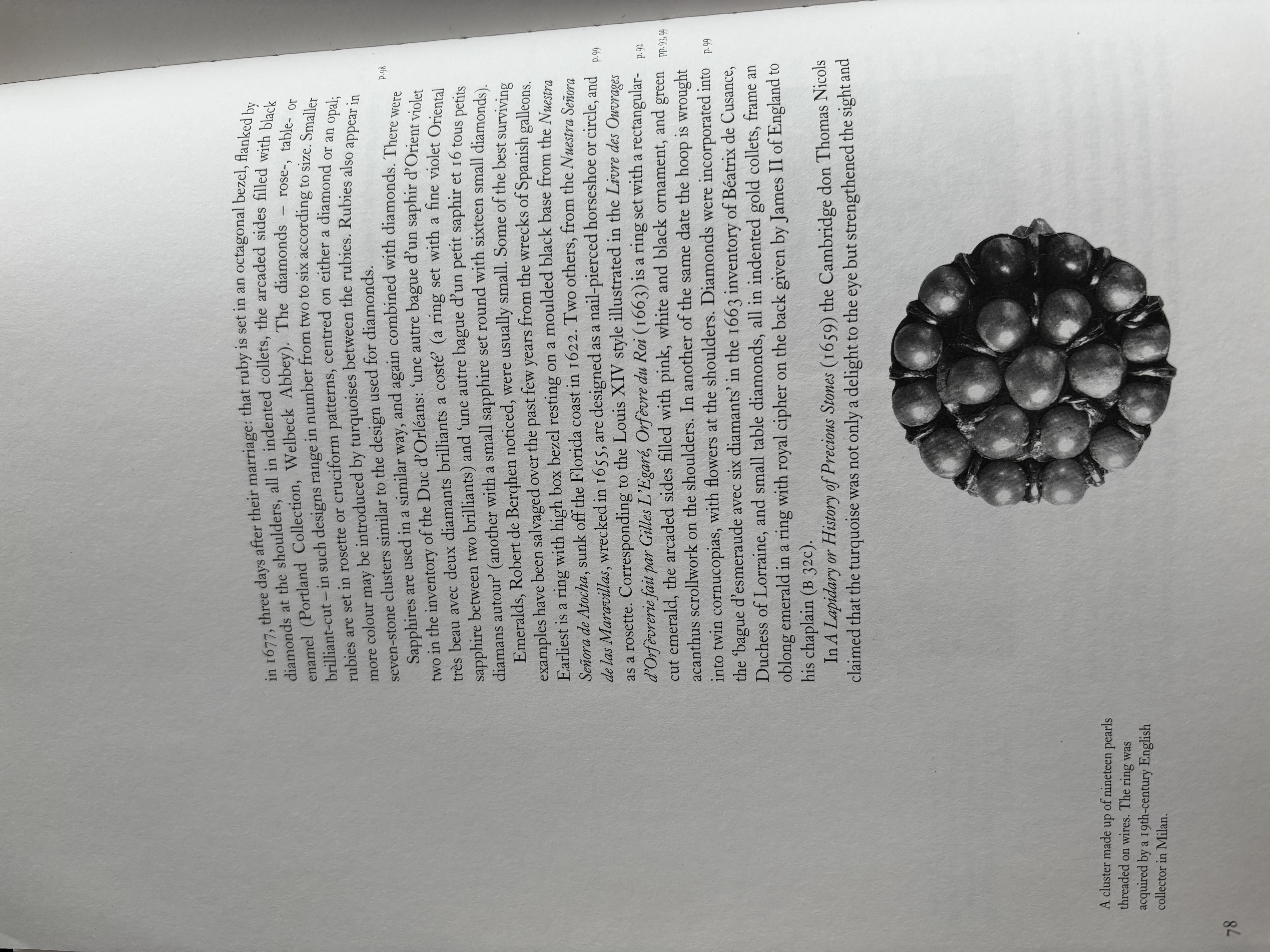
The answer is yes, but only if you choose it. A ring does not do the work alone. The wearer does. The ring is the artefact of a decision: to commit a name, an oath, a scene, an entire story to a piece of metal you will carry until you die. To make a private contract with a single object and refuse to broadcast its terms. The ring earns its meaning by what the wearer agrees to inscribe in it and then to keep silent about.
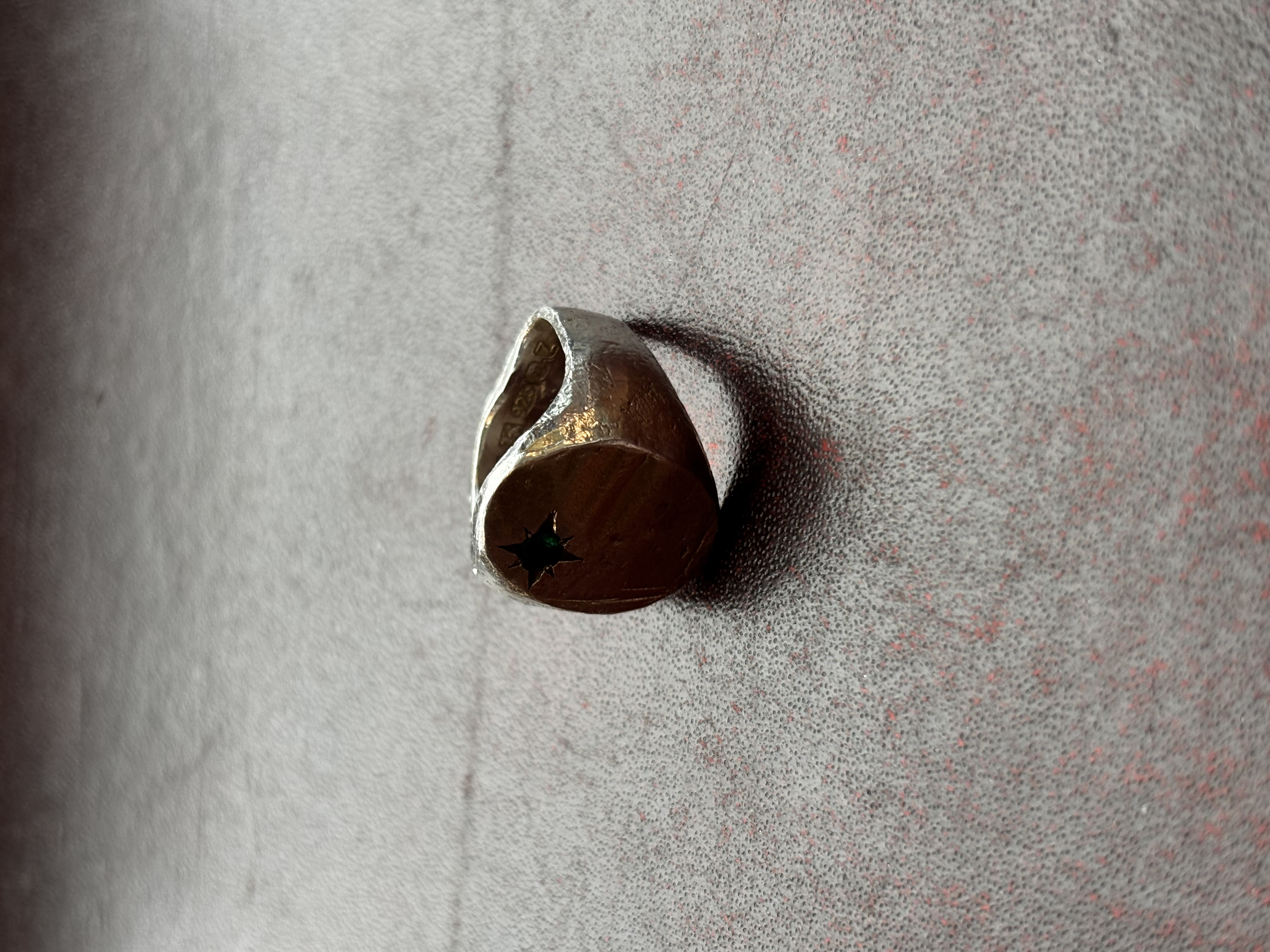
I wear one such ring. It was made by The Ouze, the London studio founded by Toby Vernon in 2021 and named after a river that runs through his hometown. The piece is sterling silver, hand-finished, with the uneven oxidation Vernon has built his practice on: a practice that, in his own words, celebrates imperfection. Set low on the bezel is a small dark stone held in a star setting. There is no inscription, no provenance carved into the inside of the band, no stone chosen for its carat weight. The ring was never made to broadcast value. The star is a mark, not a logo. It is closer in spirit to the engraved miniatures Scarisbrick documents than to anything a contemporary jewellery brand would issue today. It is a story the size of a ring, and it was made for a hand to carry, not for a feed to scroll past.
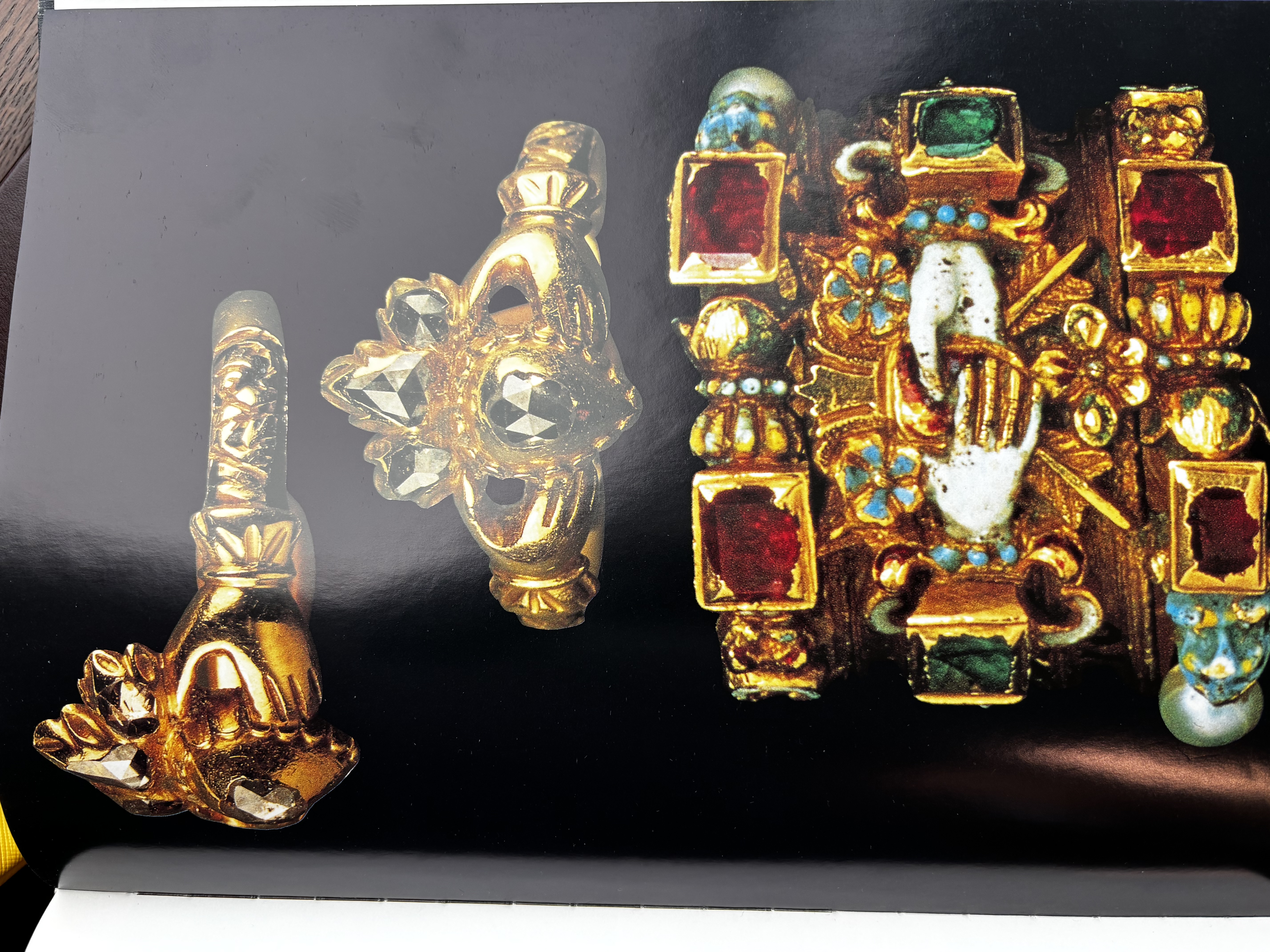
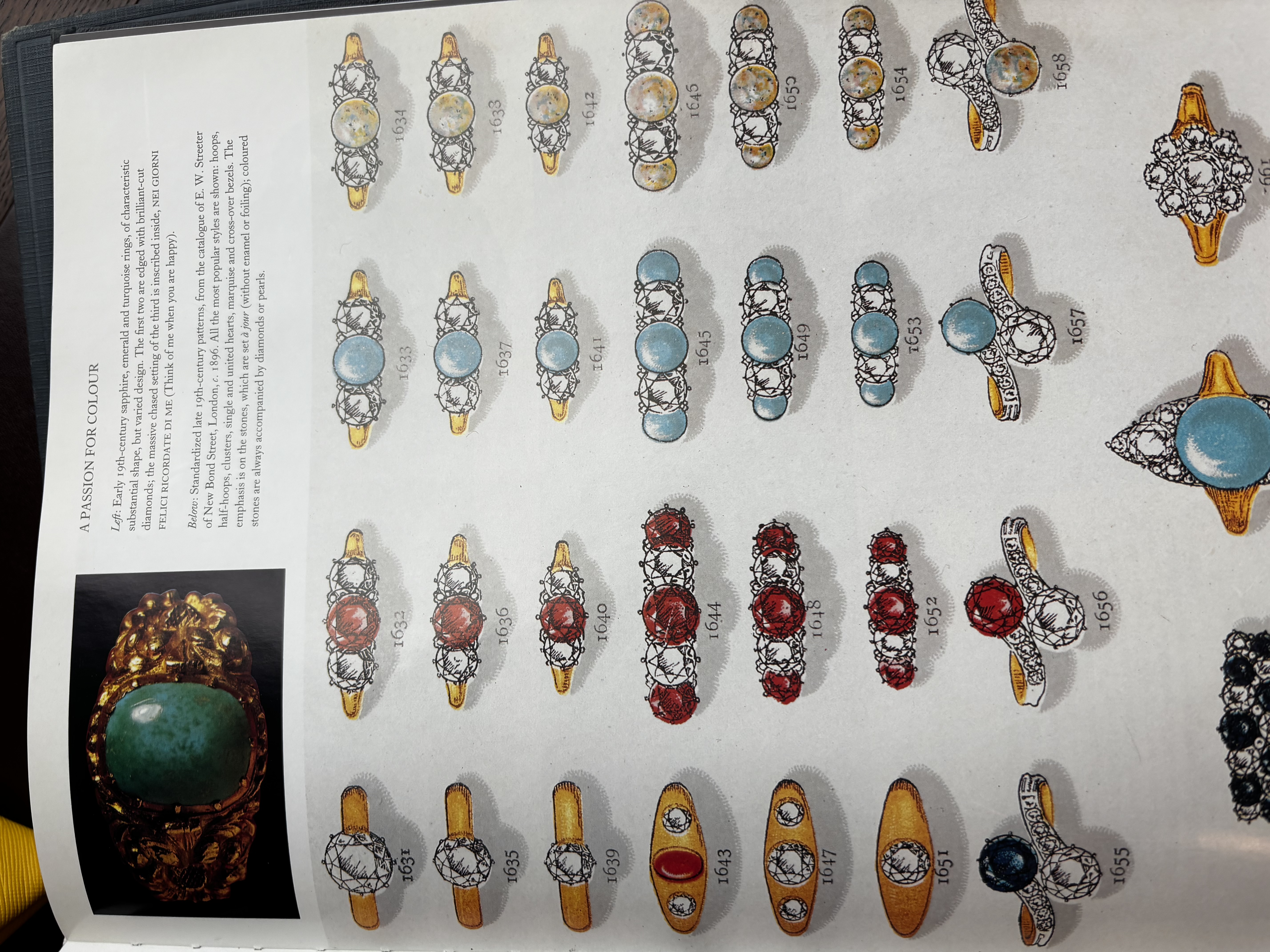
Four thousand years of refusal. The book is a record of that refusal made by hand, by hand, by hand, across centuries. We have been making narrative-in-miniature objects for as long as we have had hands and metal, and we have been making them, almost always, for one reader. That is the inheritance the ring carries. That is the inheritance every wearer of a serious ring is, knowingly or not, taking up. To put a ring on a hand is to enter a four-thousand-year-old grammar of compressed meaning, addressed to one, defended against legibility.
This is what I take from Scarisbrick. Not a catalogue. Not a history. A reminder that the most durable, most considered, most resonant objects we have ever made are the ones we made small enough to wear, slow enough to read, and private enough to mean something.
Diana Scarisbrick, Rings: Symbols of Wealth, Power and Affection. Harry N. Abrams.
Responses.
Received. Thank you.