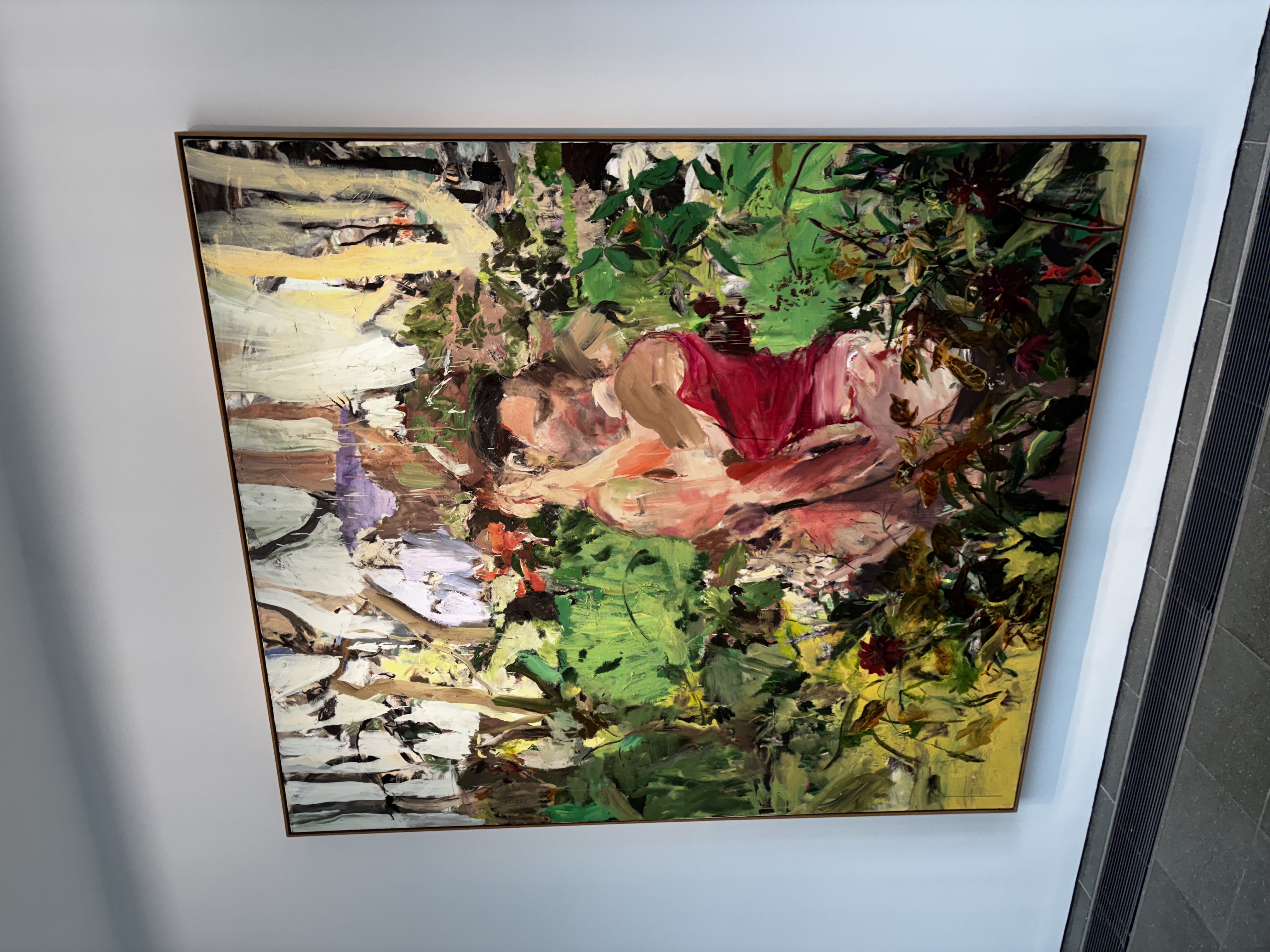
Picture Making at Serpentine South (27 March - 6 September 2026) is Cecily Brown's first major solo presentation of paintings in a UK institution since her 2005 show at Modern Art Oxford. For an artist who has worked in New York for the past three decades, it reads as a homecoming with weight. Thirty-two paintings and twenty-three drawings, threaded with recent monotypes, take the landscape genre as their through-line.
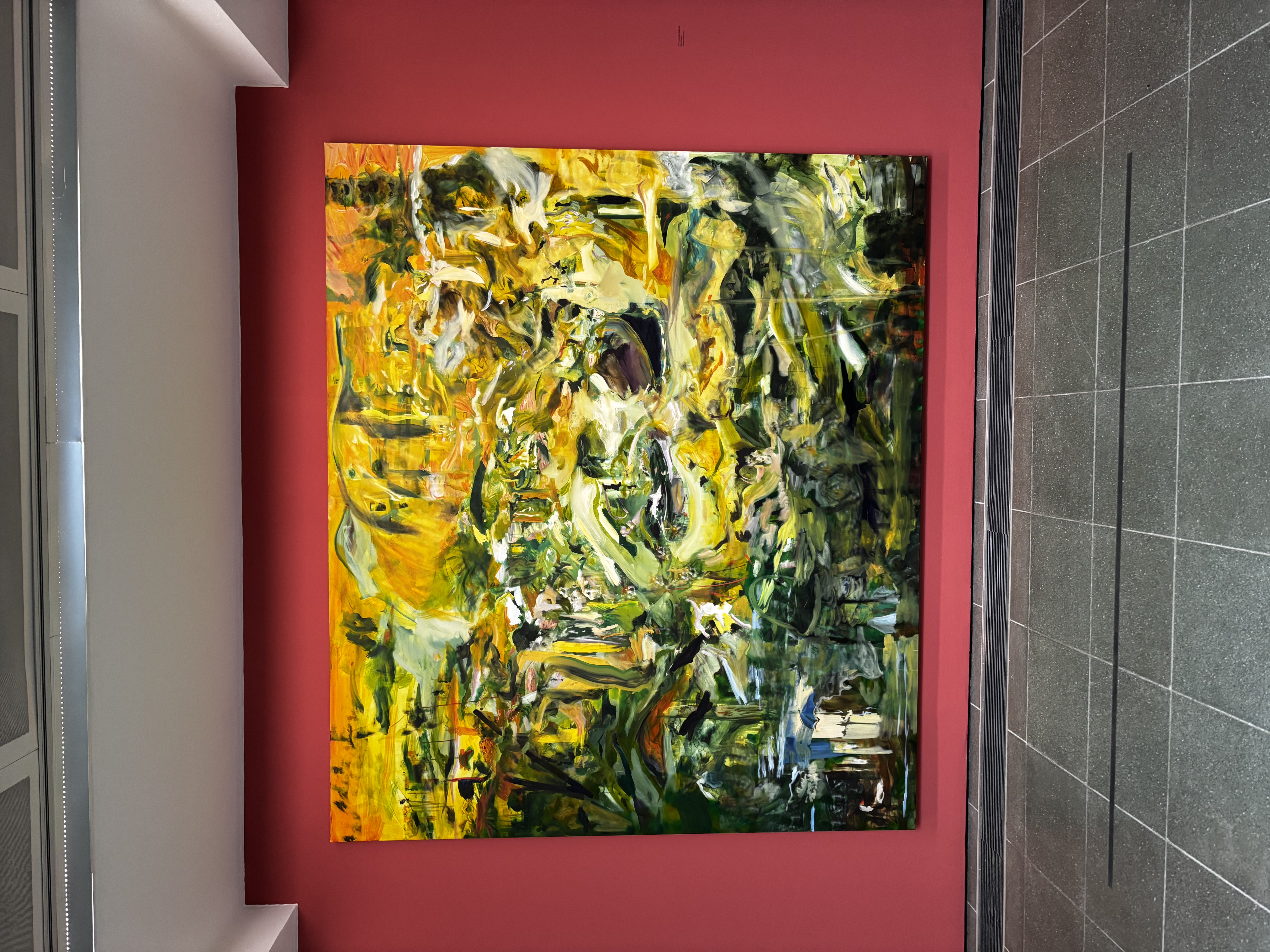
The show draws on the Serpentine's specific location in Kensington Gardens, a site Brown has described as personally significant. Alongside new paintings made for the exhibition, the selection reaches back to 2001, situating the new work inside a long argument with English landscape, with the children's book illustrations of Brown's early memory, and with the darker undertow of nursery rhymes and cautionary tales. The pastoral here is not a soft mode. It carries the bruise.
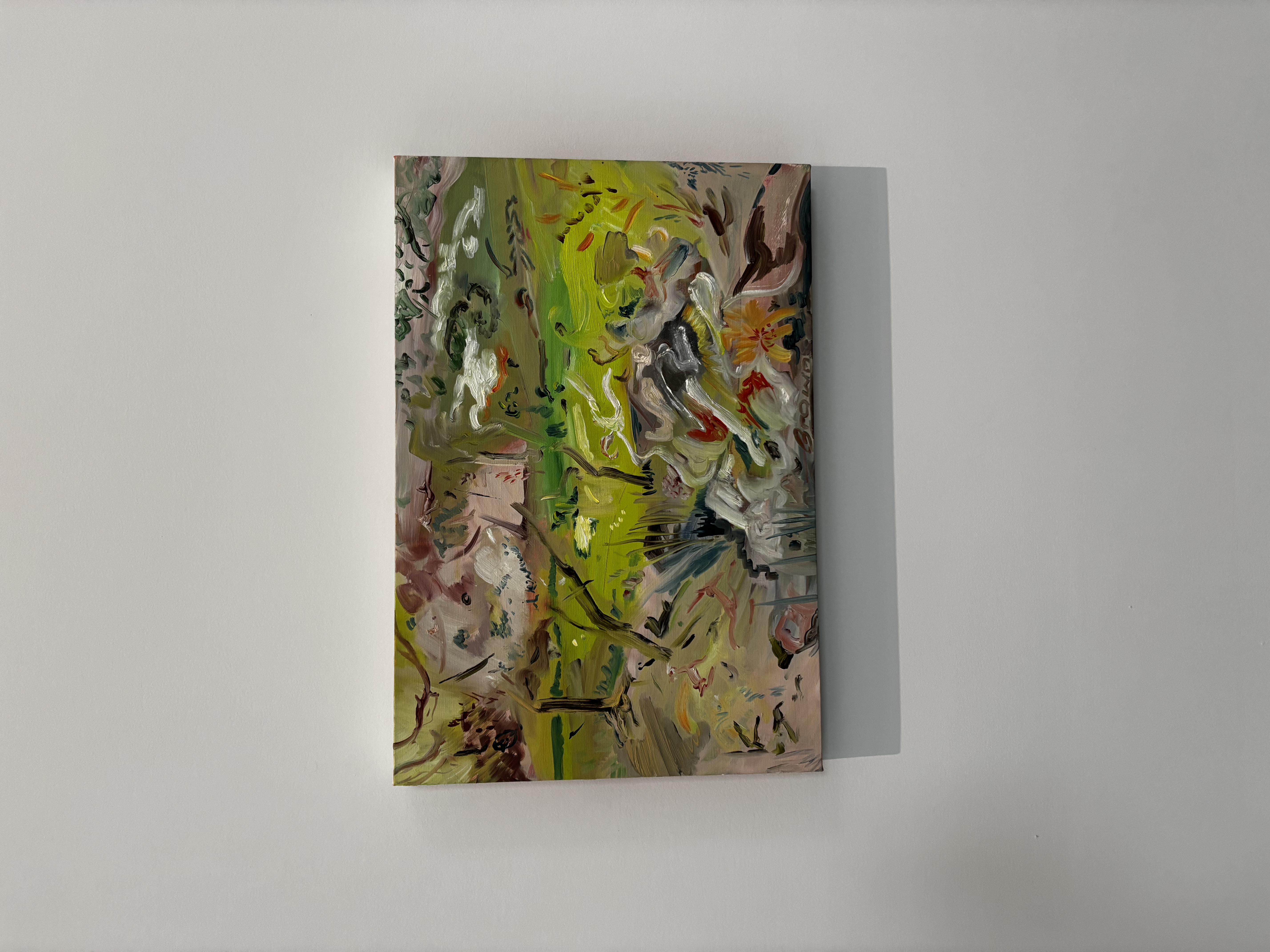
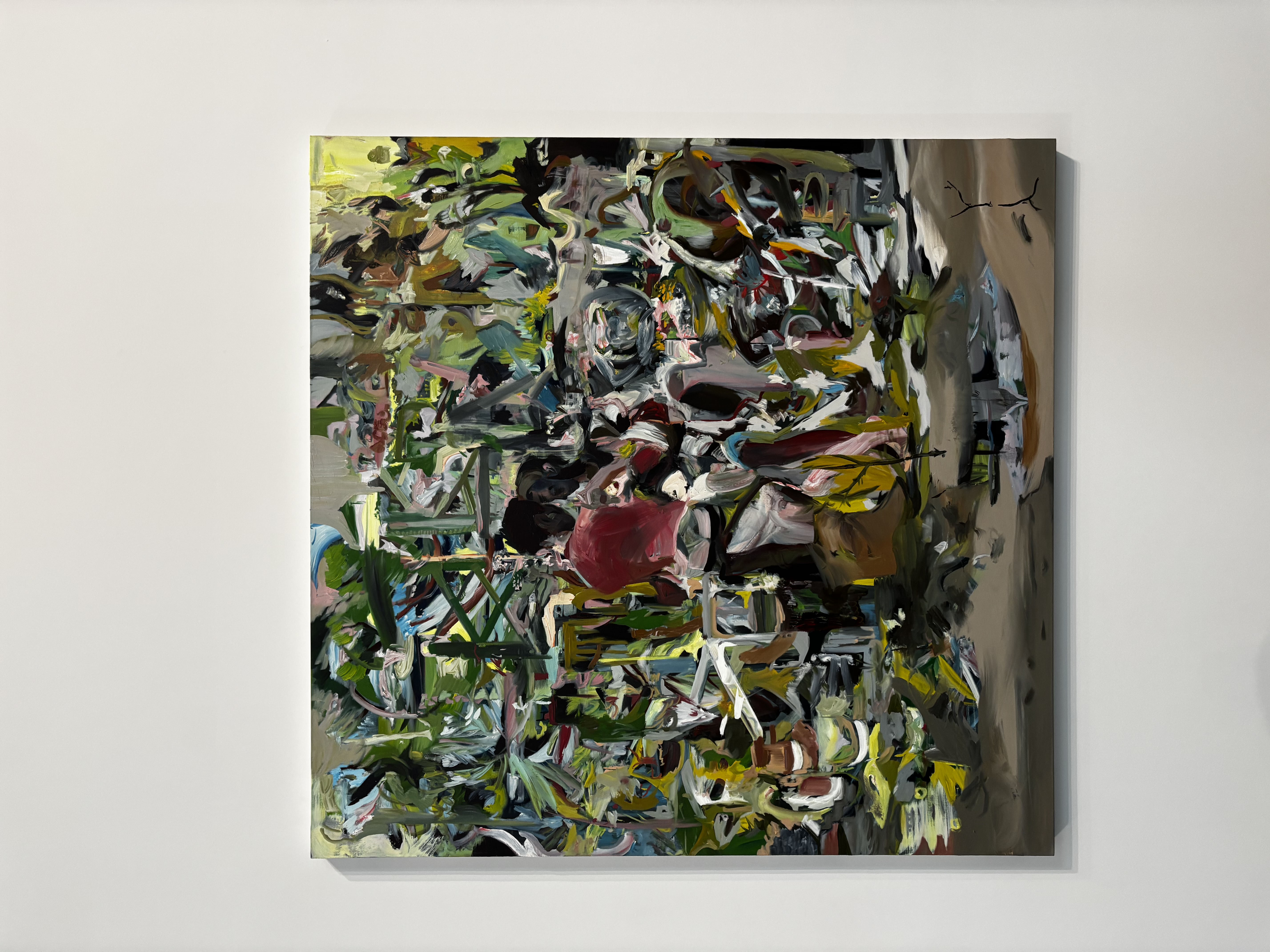
What distinguishes Brown's practice is the refusal to choose between figuration and abstraction. Bodies appear and dissolve within the same canvas. The viewer's eye must do the work of construction; nothing is handed over cleanly. This is painting as an act of sustained visual attention, the kind that resists the algorithmic habit of categorisation. You cannot swipe through a Cecily Brown painting. You have to stand in it.
A catalogue accompanies the exhibition, designed by Irma Boom, with excerpts from Brown's correspondence with Celia Paul, an interview between Brown and Hans Ulrich Obrist, and a creative response by the poet Isabel Galleymore. The publication is part of the work, not adjacent to it: another surface across which the same questions about looking, memory, and the painted image continue.
Picture Making is not a retrospective. It is a statement of method. Brown paints because the act of painting is itself the argument: that the hand, the eye, and the surface are sufficient.
Responses.
Received. Thank you.