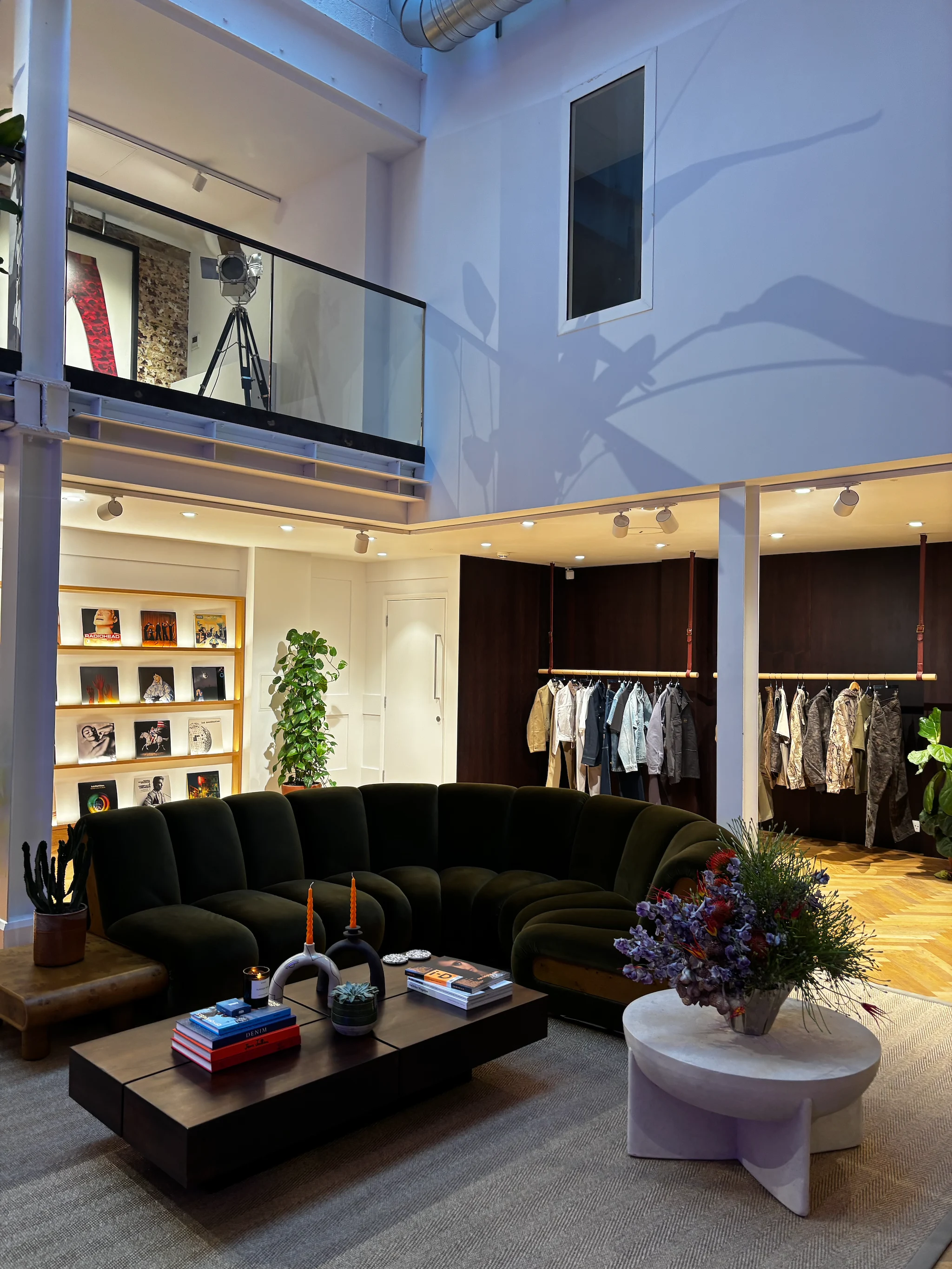
The Soho address is deliberately unmarked. There is no shop window, no signage that calls itself a shop. You ring, the door opens, and the city's noise stays outside. Levi's runs a suite of these houses around the world: Los Angeles, the original, then Tokyo, Mexico City, Paris in a seventeenth-century hôtel particulier, and London, which relocated to a new Soho address in the summer of 2024 to mark its own tenth anniversary. None of them are retail.
That is the point. A Levi's store sells you a pair of jeans. The Haus sells you nothing. What sits inside it instead is the company's working archive, a private showroom for next-season cuts, a bespoke tailoring programme called LOT 1, and a slow rotation of cultural programming for invited guests. The London Haus is also the company's first satellite archive outside San Francisco, which means a portion of the brand's actual historic stock lives in central London now. That detail mattered more than I expected once I was inside.
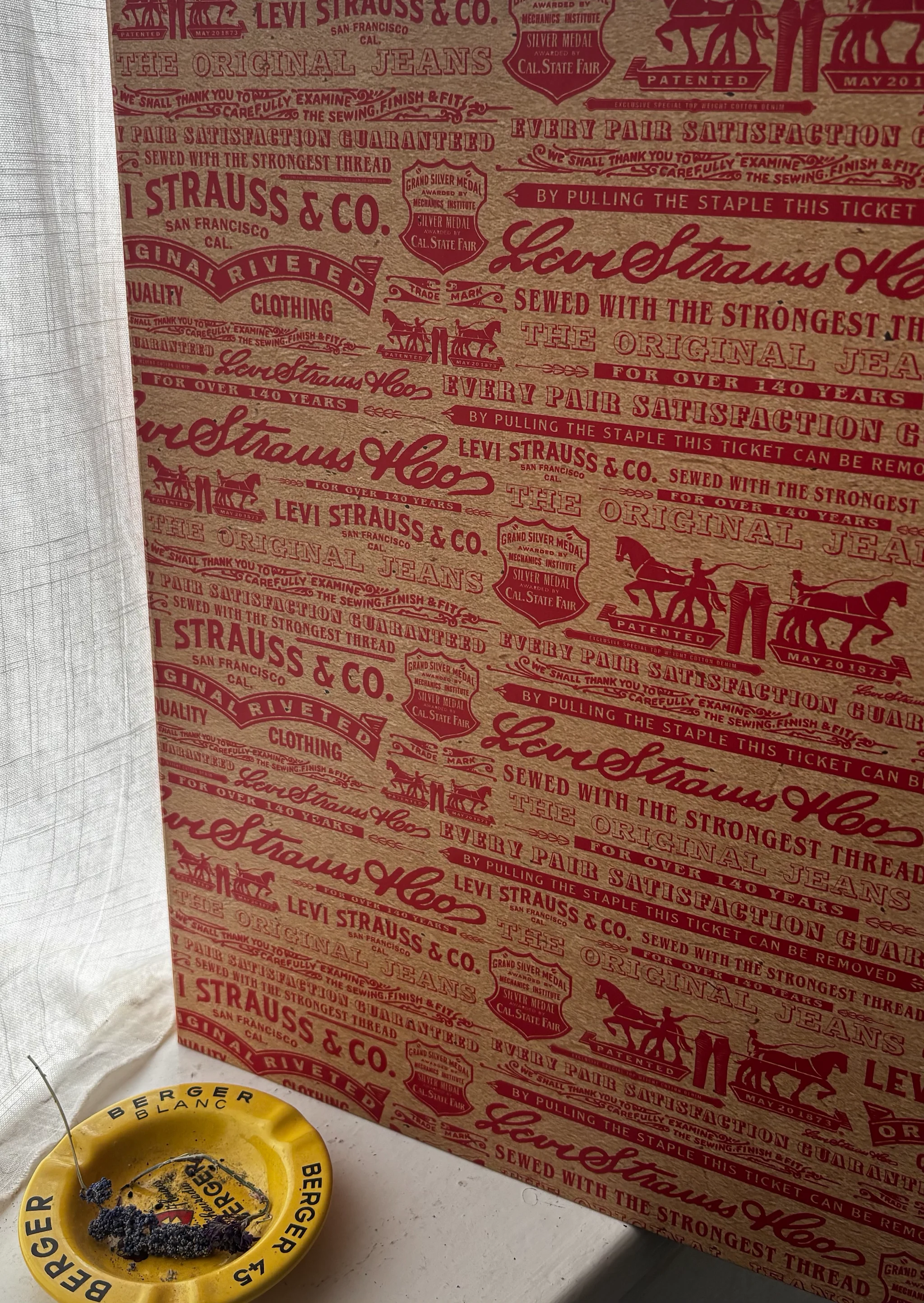
The print on the wall is the inside of an old Levi's pocket: a hundred and fifty years of trade marks, riveted-overall lithographs, the Levi Strauss & Co. San Francisco Cal. signature in red. The 1873 patent for the copper-riveted seam, issued to Jacob Davis and Levi Strauss together, was granted on the twentieth of May. We were a couple of weeks short of the anniversary. The room knew it.
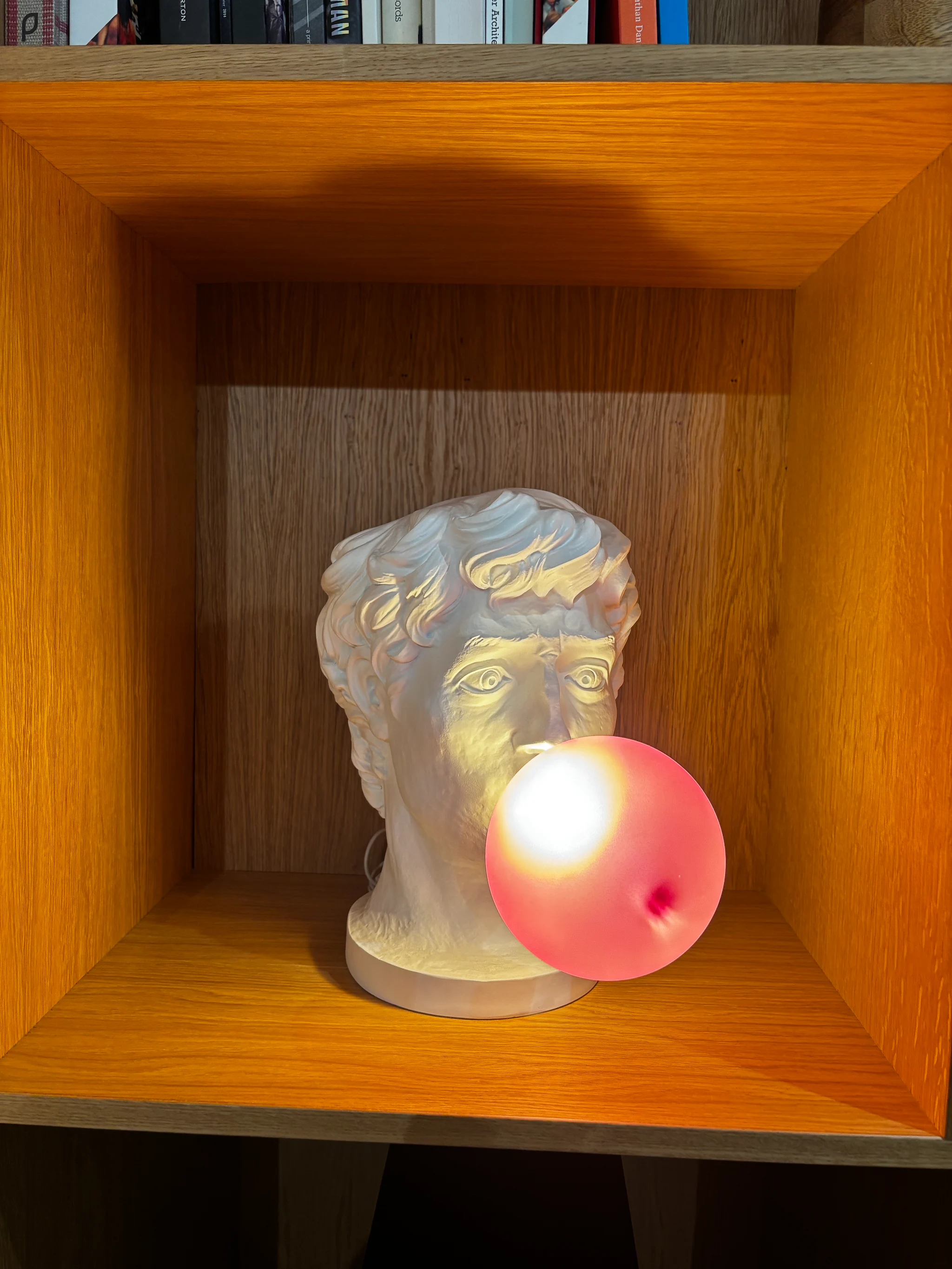
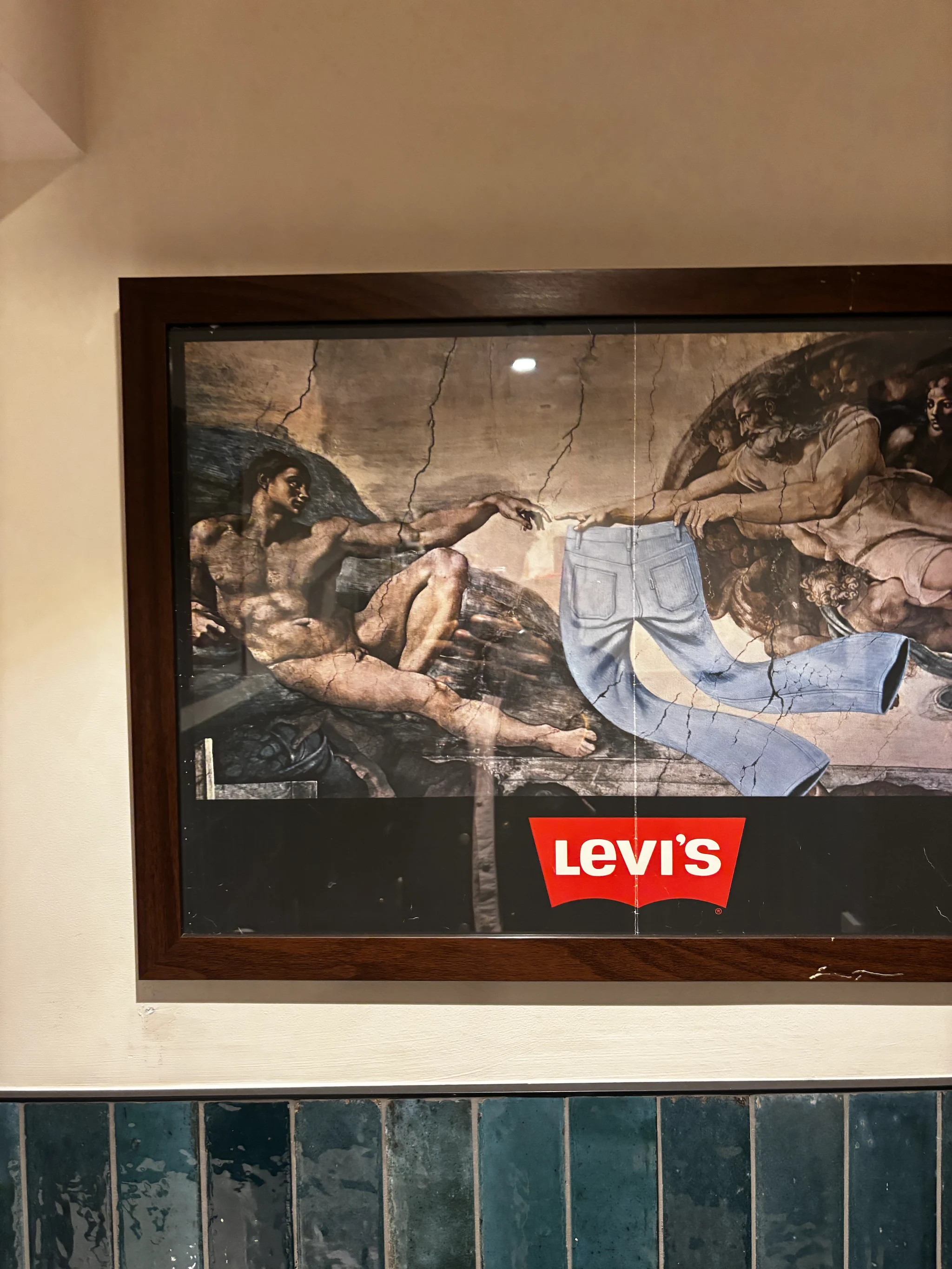
What stood out, walking through, is the brand's confidence to be quiet. There is a framed parody of The Creation of Adam with the rear pocket of what looks like a 501 standing in for divinity. There is a David bust blowing a bubble of chewing gum. There are neon cowboys above a brick stairwell. Levi's has earned the right to be playful with its own iconography, and the Haus is where that right gets exercised without the friction of a sales floor.
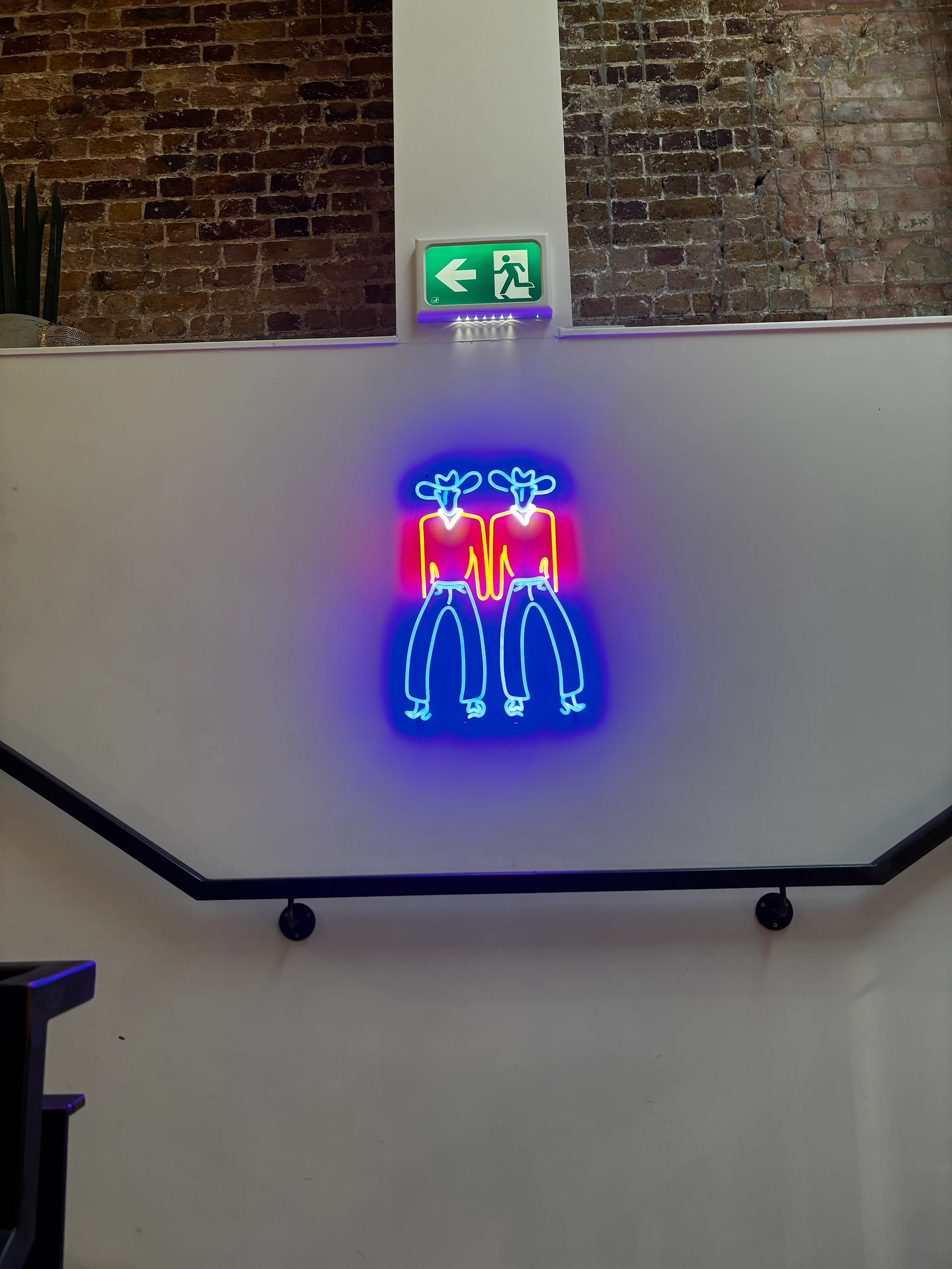
The current cultural arc is the REIIMAGINE campaign with Beyoncé, four chapters across 2024 and 2025, capped by the Western Crystal capsule last August. CEO Michelle Gass has called the original Levii's Jeans reference on Cowboy Carter organic, and the campaign that followed is the loudest the brand has been in a decade. The Haus does the opposite work. Where the campaign is volume, the Haus is the room where volume is not necessary. They are two halves of the same thesis: a heritage brand staying culturally live by being audible everywhere and unhurried somewhere.
There is something instructive in that. A company that holds the original patent on the modern jean does not need to perform its lineage. It needs only to keep a room in Soho where the lineage can be touched, and to let the right people in.
The door closed quietly behind us on the way out.
Responses.
Received. Thank you.