Art
Picasso and Matisse Walk into a Bar: Mustafa Ayaz
Ref. 000-ART-AYAZ
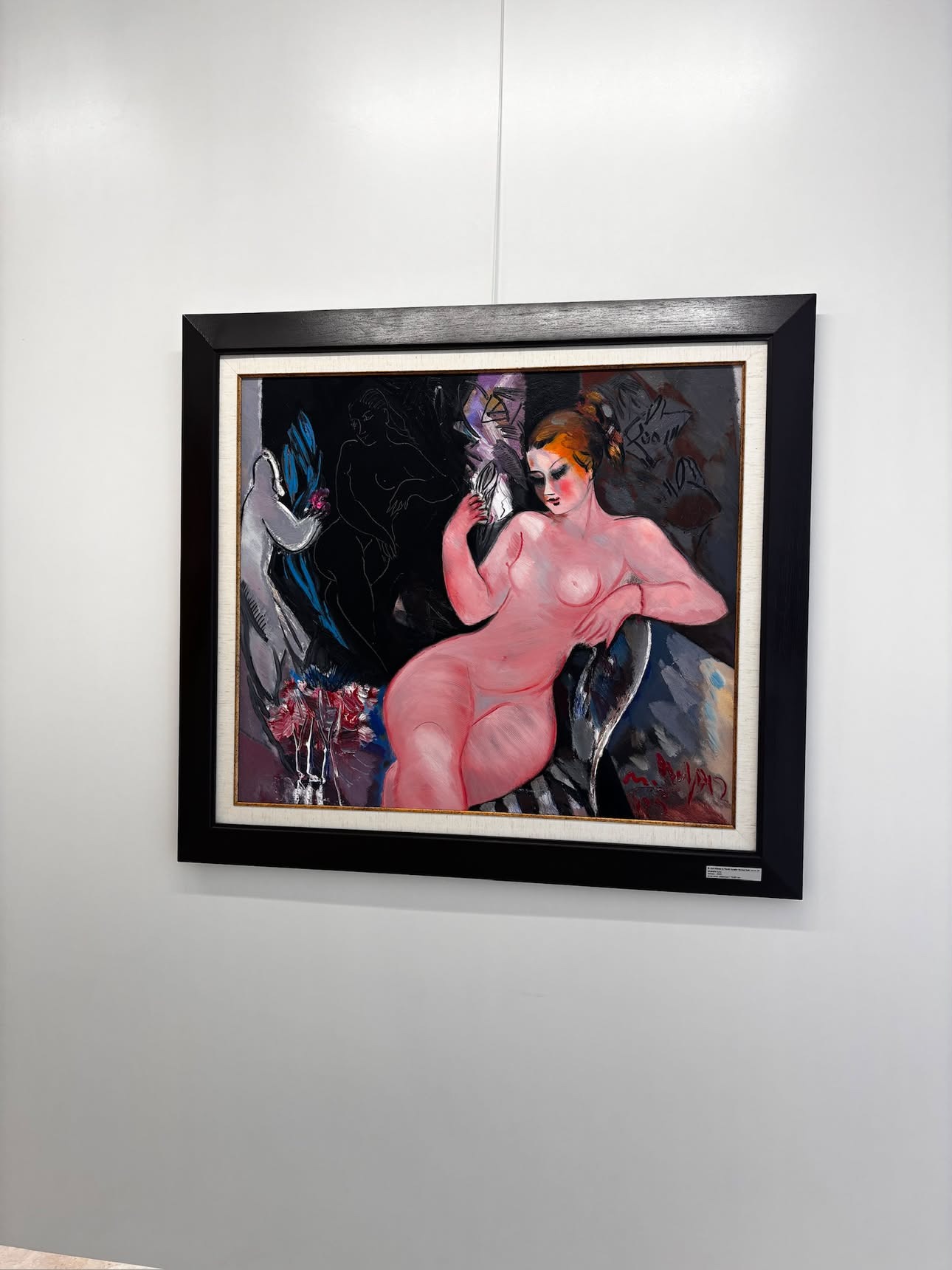
What do you think of when you think of Paul Klee's landscapes? Or when you look at Picasso's Les Demoiselles d'Avignon? Or when you are stood in front of Matisse's Dance? You notice the saturated use of the vermilion red, the brightness of the ultramarine blue and the striking vividness of the viridian green. You notice the cadmium yellow as it was in the tube as it is on the canvas, you notice the rich brown ochre and the harmony of the detailed use of bone black and lead white next to each other. In Klee, landscape is translated into luminous signs and planes; in Picasso, female bodies and their environment fracture into angular fields of pink, ochre, blue and white; in Matisse figures circle against an expansive field made up of blue and green. These three artists employ colour in a way that no longer simply imitates the visible world, but lets it become a force in its own right.
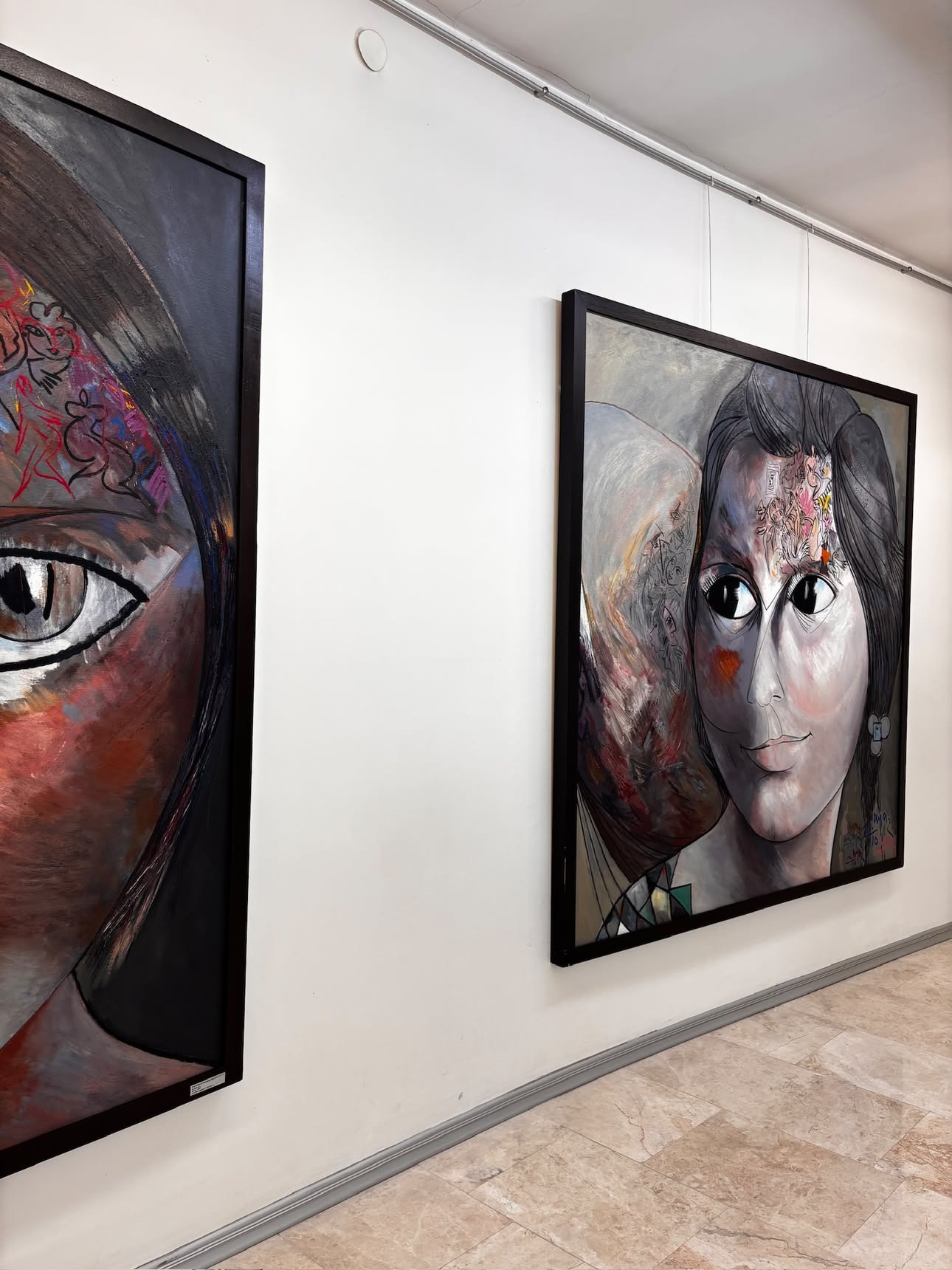
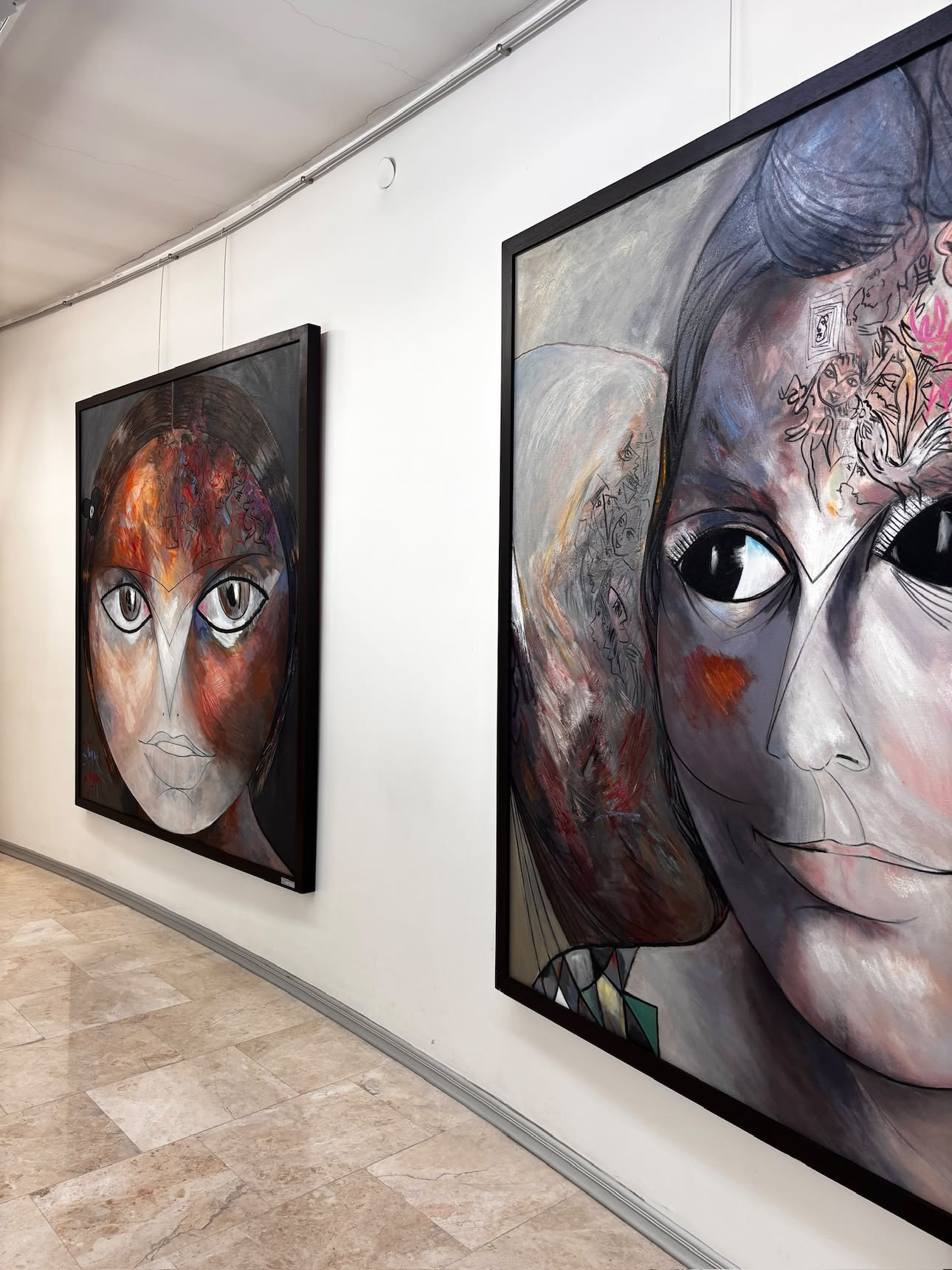
A common thread amongst early 20th-century avant-garde movements like German Expressionism, Cubism and Fauvism is a radical transformation of the ways of seeing the world. Unlike their predecessors, artists like Paul Klee, Pablo Picasso and Henri Matisse employed broad brushstrokes, vivid, saturated colour palettes and almost geometric representations of real life subjects serving as a departure from art movements such as Realism and Naturalism where artists remained as loyal to the natural world as possible in its representation on their canvases.
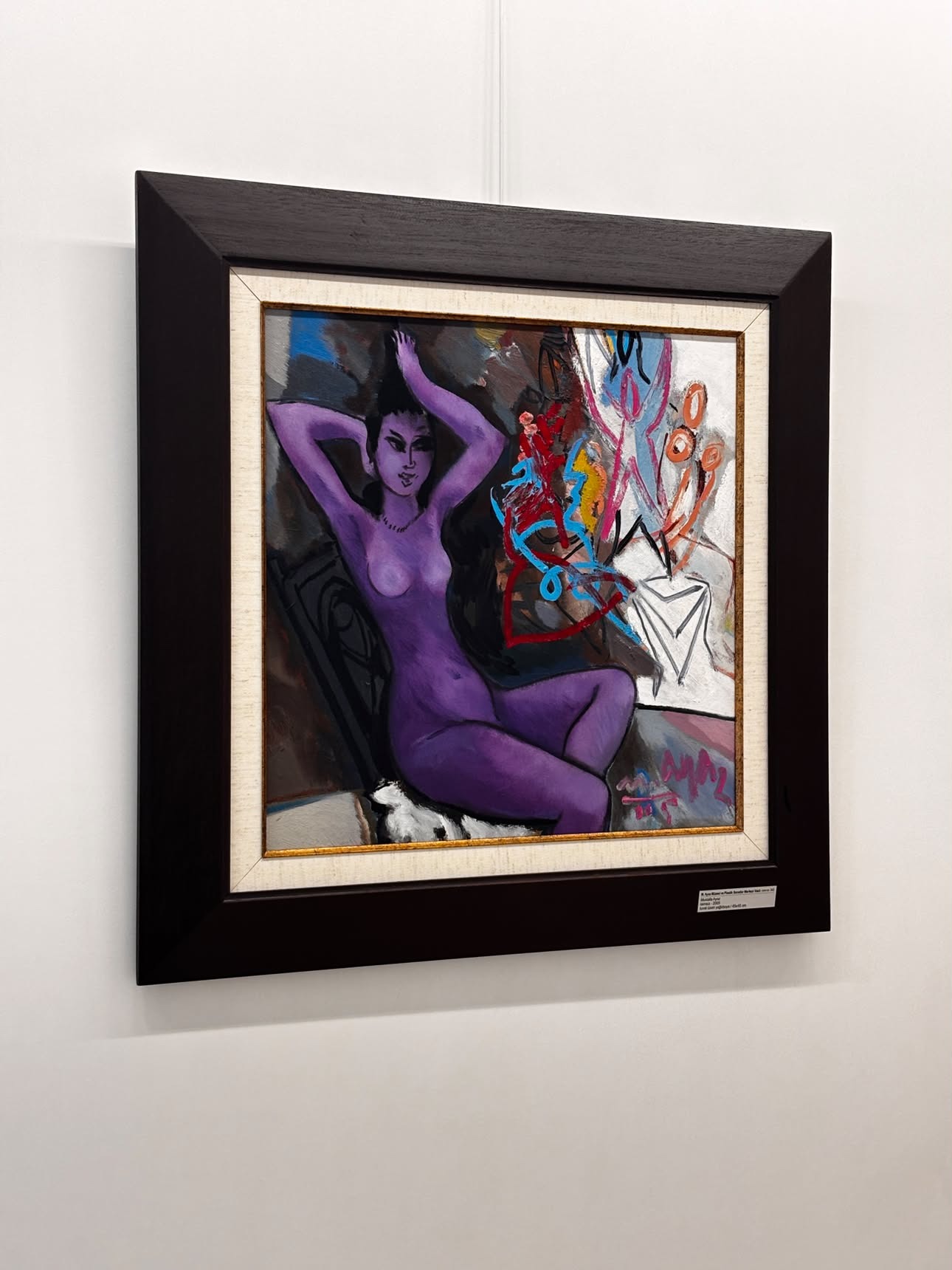
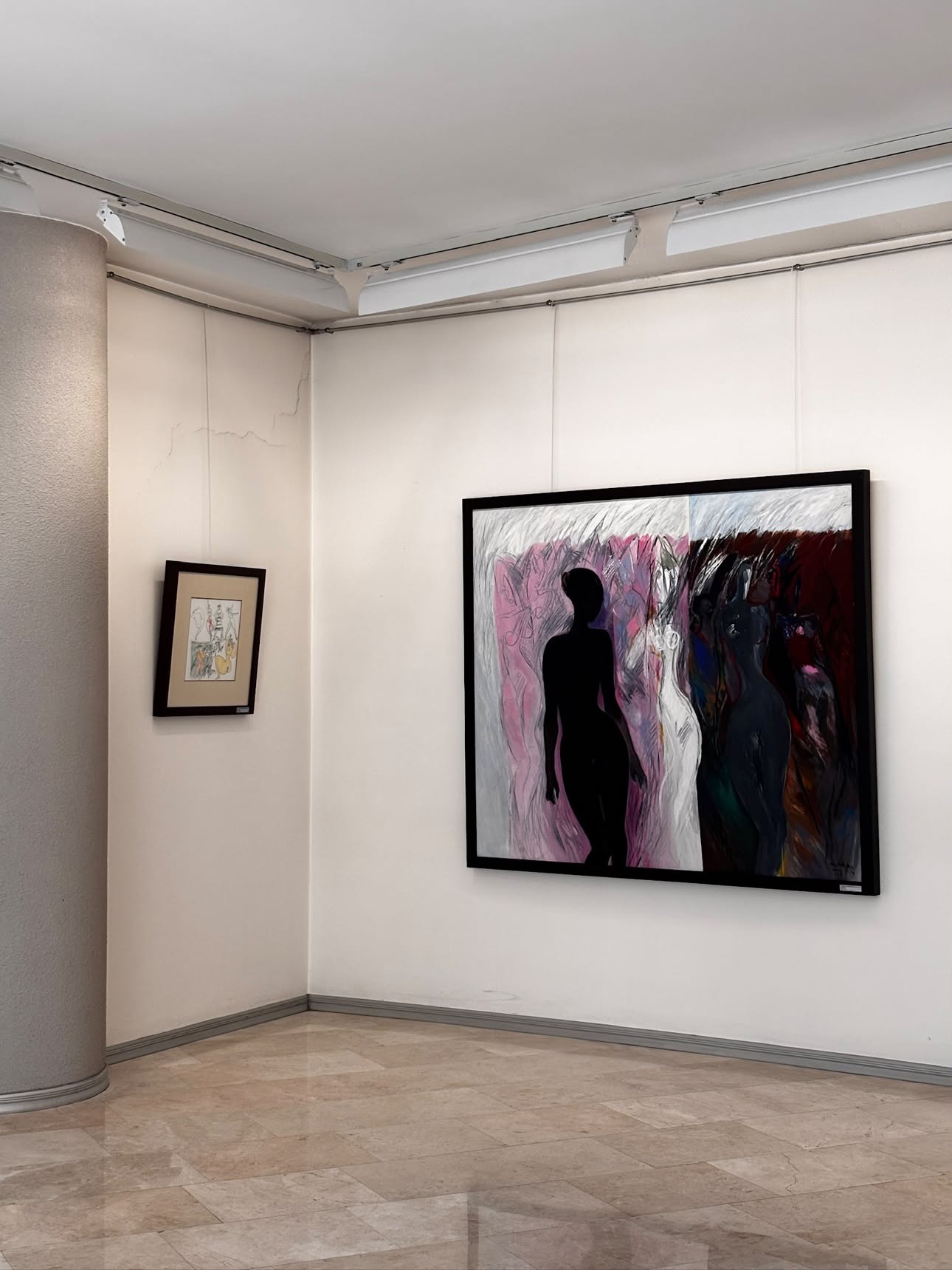
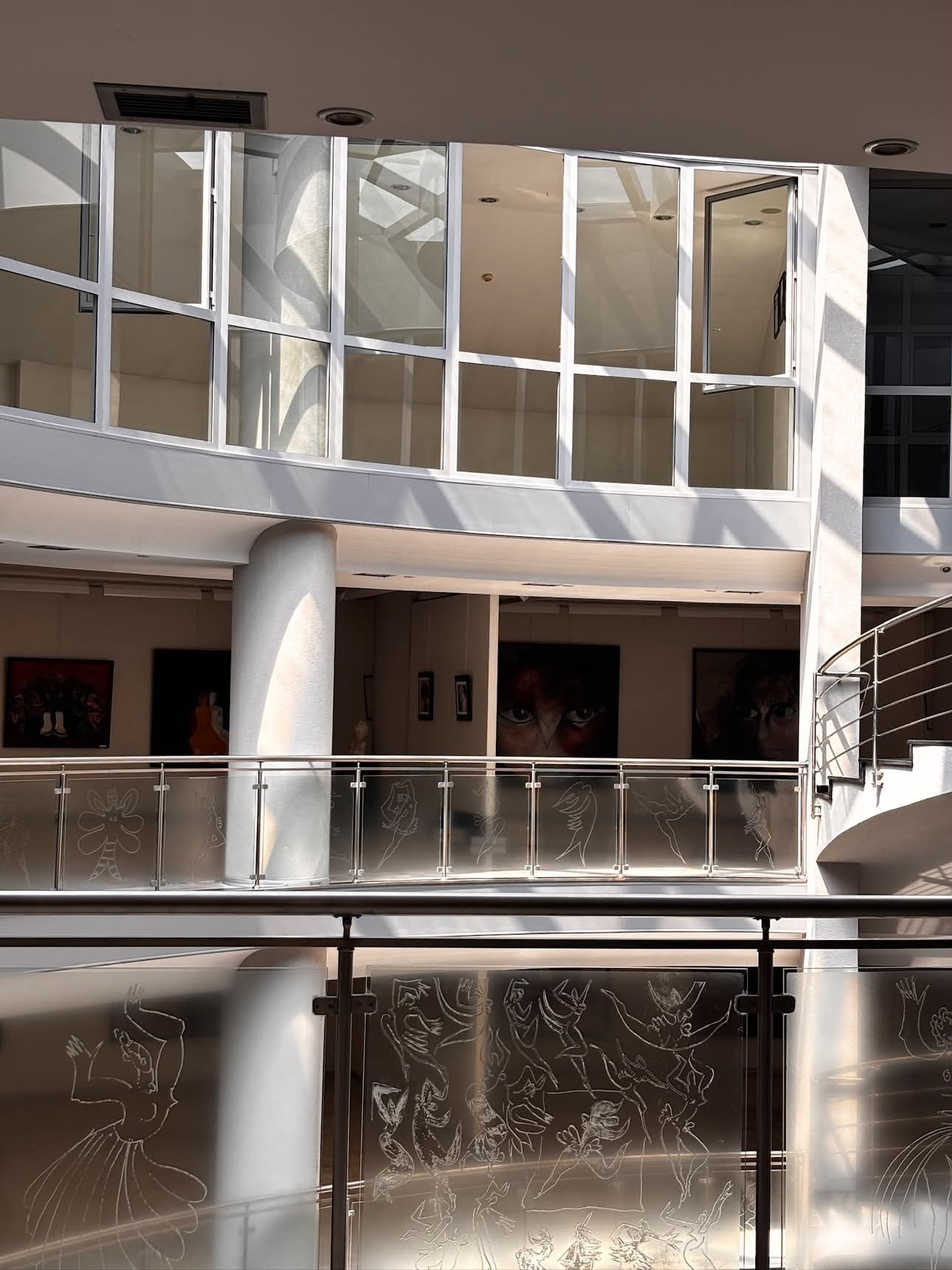
Enter Mustafa Ayaz. A major figure in contemporary Turkish painting, Ayaz developed a semi-abstract visual language distinguished by rhythmic lines, vivid colour, female figures and recurring self-portraits. His work can be placed in dialogue with the modernist legacies of Picasso and Matisse while remaining grounded in a distinctly personal artistic vocabulary and Turkish cultural heritage. Over a prolific career, he produced thousands of works and ultimately transformed the proceeds of his practice into a lasting public legacy: the Mustafa Ayaz Museum and Plastic Arts Centre in Ankara.
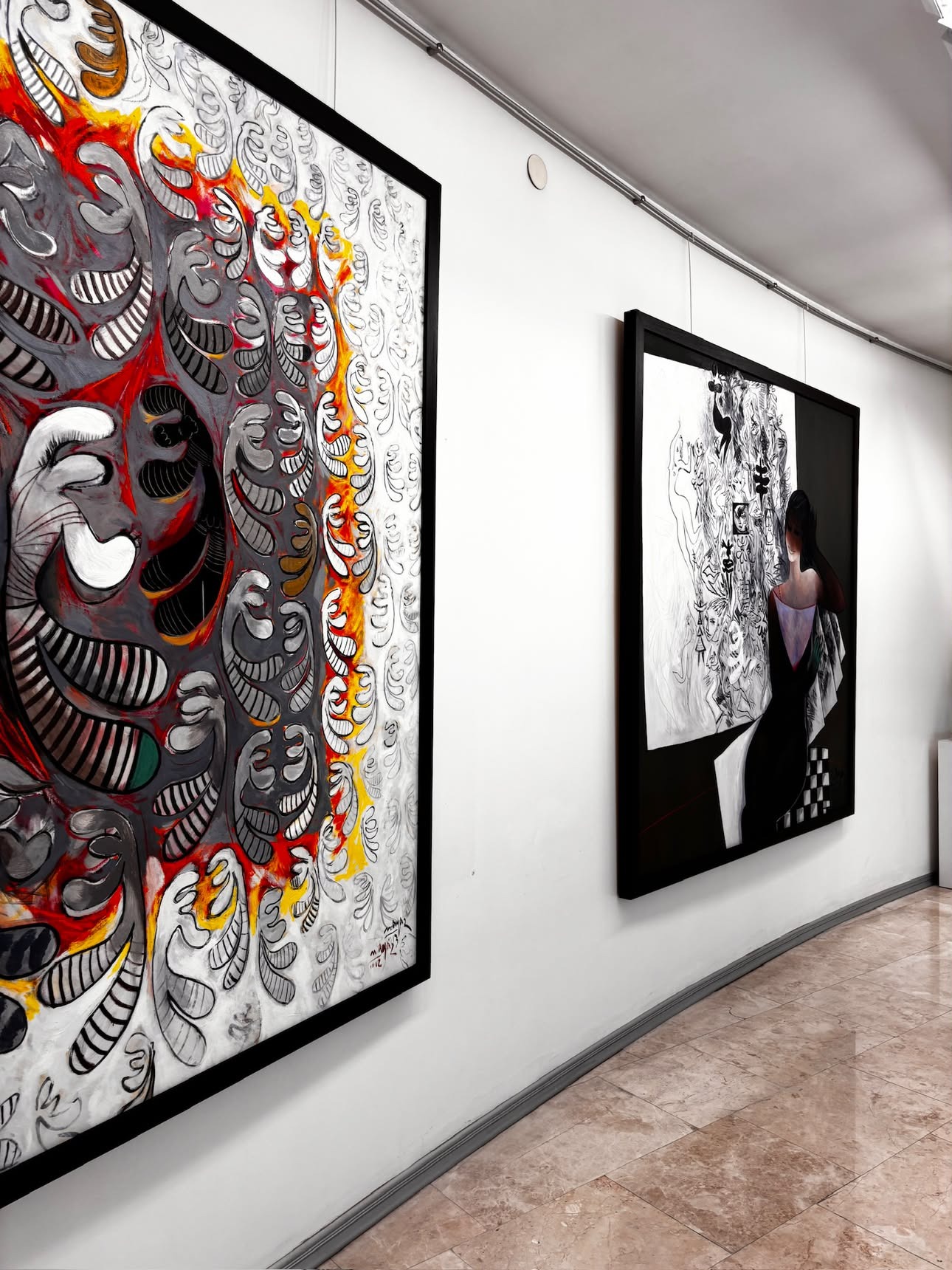
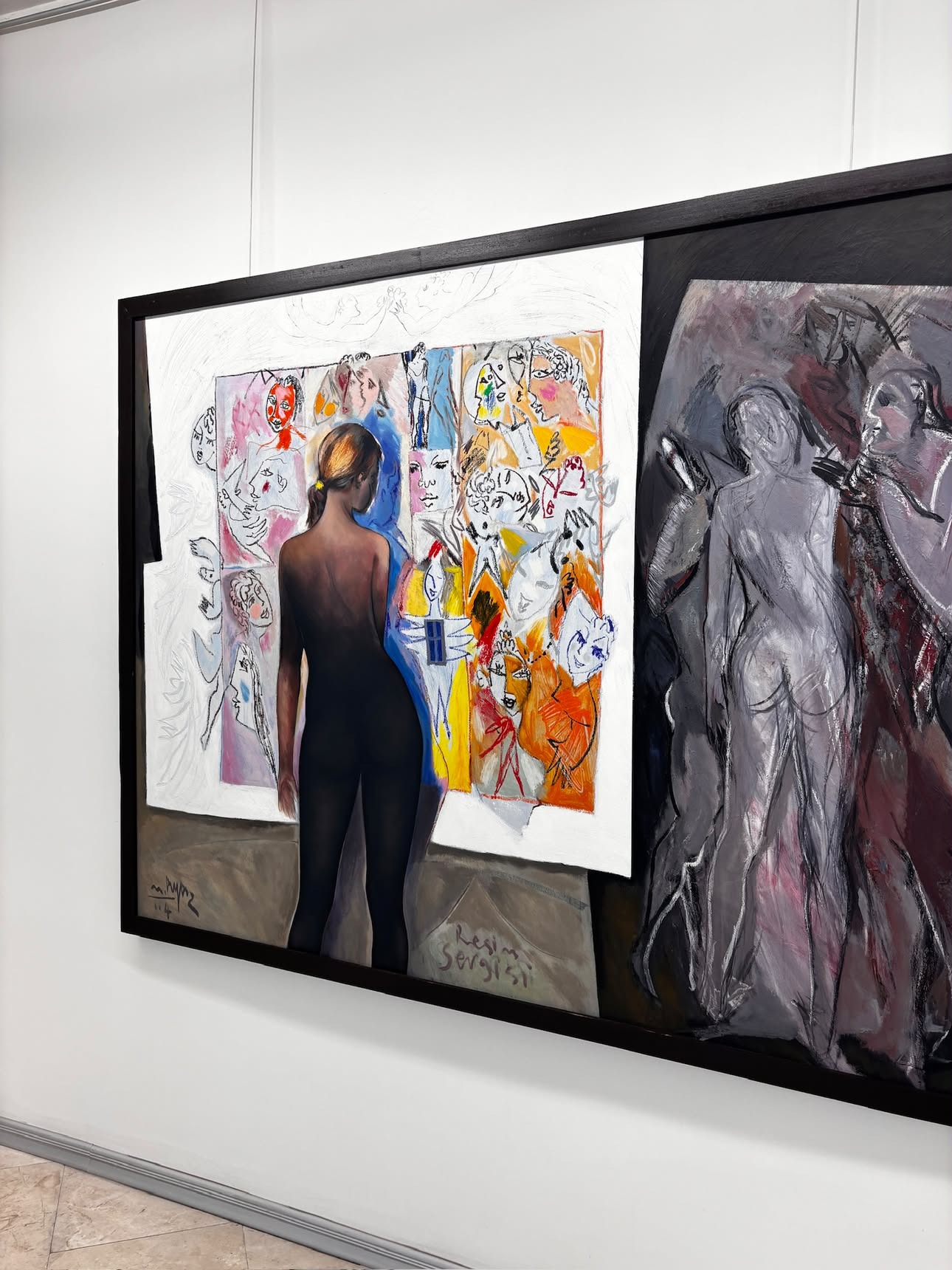
Mustafa Ayaz invites the viewer into a vastly emotional world through his stylised depictions of female figures. He wants to convey a sense of joy and happiness with his use of bright, vivid colours; with the dance of the blues and reds in his paintings. His passion and the love of his life was his love for making and creating. He was quoted as saying, "Landscapes aren't of interest to me. People are my subject; women, dance, love and happiness." What remains distinctly Turkish in Ayaz's visual language that separates him from the European modernist visual artists is not necessarily a national style or obvious traditional imagery, but the personal memories embedded within his painting. He paints about his childhood on the coast of the Black Sea in Northern Turkey, the village women he observed and the restless energy associated with regional folk dance. He transforms these memories and recounts them in his particular visual language and colour scheme. People are central to his work because they allow him to turn painting into a form of conversation between the artist and his subjects, between observation and imagination, and between personal memory and contemporary Turkish life.
This week on 000.
Shared privately from 000. Want in? Request access at 000.gallery. Follow on Instagram. Questions: support@000.gallery.
Responses.
Sly · 16 Sept 2026
This is brilliant Bibi